Do You Need Supplements? Expert Health Insights
Do You Need Supplements
Do You Really Need Supplements? Expert Opinion
The supplement industry has grown into a billion-dollar business, promising quick fixes, boosted energy, and stronger immunity. From vitamins and minerals to protein powders and herbal extracts, supplements are now part of everyday life for millions of people. But the big question remains: Do You Need Supplements to stay healthy, or can a balanced diet alone provide everything your body requires?
This article explores expert opinions, the role of supplements, and when they may actually be necessary.
Understanding What Supplements Are

Supplements are products taken orally in the form of pills, capsules, powders, or liquids to “supplement” the diet. They may include:
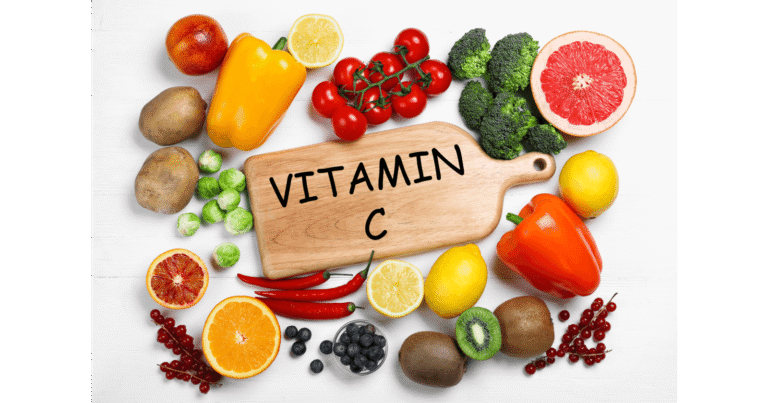
- Vitamins (like Vitamin C, D, or B12)
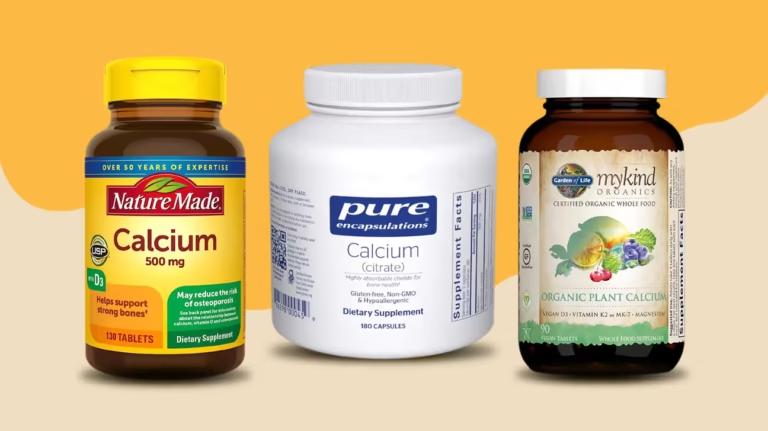
- Minerals (like iron, calcium, magnesium)
- Proteins and amino acids
- Herbal products (like ginseng or turmeric)
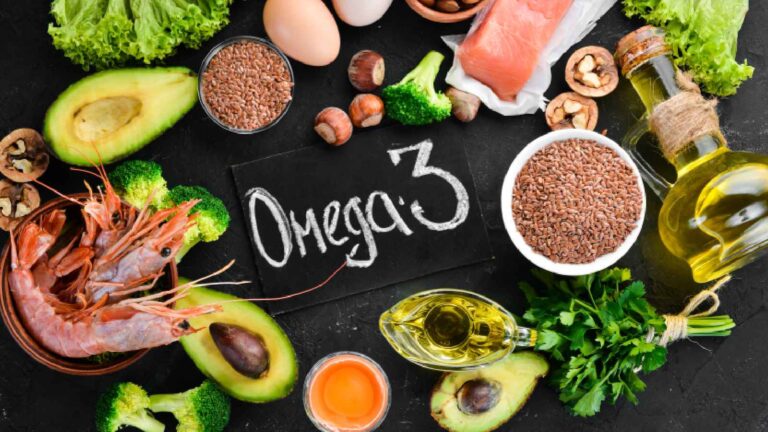
- Omega-3 fatty acids and probiotics
The idea is simple: if your diet is missing something, supplements fill the gap. But Do You Need Supplements in all cases? Experts say not always.
Why People Turn to Supplements
There are several reasons why people rely on supplements:
- To boost energy and fight fatigue
- To improve immunity
- For stronger bones and joints
- To enhance athletic performance
- To address dietary restrictions (like vegan or vegetarian diets)
- To prevent or manage deficiencies
However, experts emphasize that before asking “Do You Need Supplements,” you should first evaluate your diet.
Can a Balanced Diet Provide All Nutrients?
According to nutritionists, a balanced diet can meet most nutrient needs for healthy individuals. Fresh fruits, vegetables, whole grains, lean proteins, nuts, and seeds provide nearly all essential vitamins and minerals.
But in modern lifestyles, poor eating habits, processed food, and lack of variety often create nutritional gaps. This is where the debate of Do You Need Supplements becomes relevant.
Situations Where Supplements May Be Needed
While not everyone requires supplements, certain groups benefit from them:
- Pregnant women: Folic acid and iron are often recommended.
- Elderly individuals: Vitamin D, calcium, and B12 support bone and brain health.
- Vegans/vegetarians: May require Vitamin B12, iron, and Omega-3.
- People with medical conditions: For example, anemia patients may need iron supplements.
- Athletes: Protein powders and amino acids can support performance.
In such cases, the answer to “Do You Need Supplements” may be yes — but under medical guidance.
Expert Opinions on Supplements
Most health experts agree on one point: food should always come first. Supplements are not a replacement for a healthy diet. They should only fill gaps, not become the main source of nutrients.
Doctors and dietitians advise regular blood tests to identify deficiencies. If a nutrient is lacking, targeted supplements can be used. Without evidence, taking random pills is unnecessary and sometimes harmful. So before deciding Do You Need Supplements, experts suggest consulting a healthcare professional.
Risks of Unnecessary Supplement Use
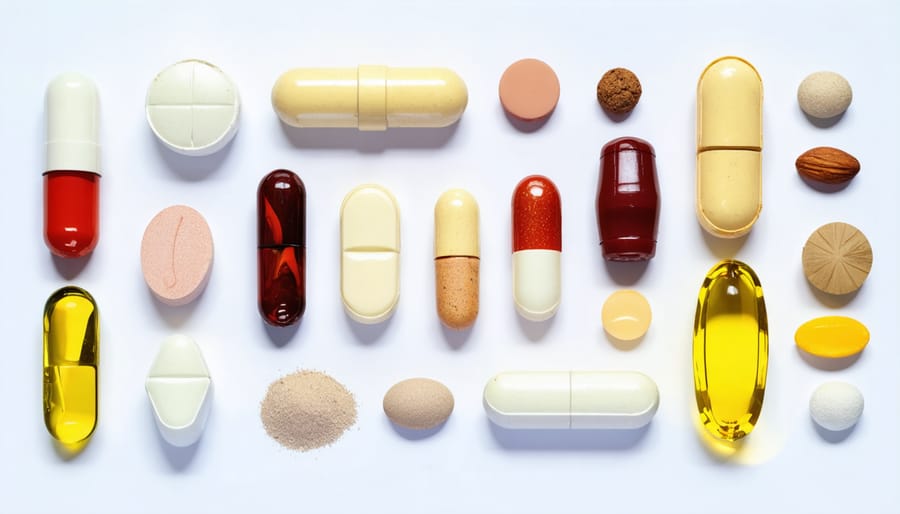
While supplements sound harmless, overuse can cause problems:
- Excessive Vitamin A can damage the liver.
- Too much iron can be toxic.
- High doses of Vitamin C may cause kidney stones.
- Herbal supplements may interact with medicines.
This is why the question “Do You Need Supplements” should not be answered without considering safety.
Food vs. Supplements: Which is Better?
Whole foods provide a unique combination of nutrients, fiber, and antioxidants that supplements cannot match. For example:
- An orange offers Vitamin C plus fiber and phytochemicals.
- Fish provides Omega-3 along with protein and selenium.
- Spinach gives iron plus Vitamin K and folate.
Supplements, on the other hand, isolate one nutrient. That’s why experts say supplements can never fully replace the natural benefits of real food. Still, when deficiencies exist, supplements can be life-saving.
So when deciding Do You Need Supplements, remember — supplements are an addition, not a substitute.
How to Choose the Right Supplement
If your doctor confirms a deficiency and recommends supplements, keep these tips in mind:
- Choose reputable brands with quality testing.
- Avoid mega-doses unless prescribed.
- Look for supplements with third-party certification.
- Follow dosage instructions carefully.
Being informed helps you answer Do You Need Supplements wisely and safely.
The Future of Supplements
The supplement market continues to expand, with personalized nutrition becoming a trend. Companies now use DNA testing and lifestyle data to recommend custom supplement packs. While this sounds exciting, experts still stress that food remains the foundation of good health.
Whether or not Do You Need Supplements will depend more on lifestyle and health needs in the future.
Conclusion
Supplements are not magic pills. They cannot replace a healthy diet, but they can help fill nutritional gaps when necessary. For most people, eating a balanced diet full of fruits, vegetables, proteins, and whole grains is enough. However, in special cases like pregnancy, aging, vegan diets, or medical conditions, supplements may be beneficial.
The bottom line is: Do You Need Supplements? The answer depends on your personal health, diet, and lifestyle. Always seek professional advice before starting any supplement routine.
Top 10 Best Searched FAQs
1. Do You Need Supplements if you eat healthy?
Not usually. A balanced diet provides most essential nutrients.
2. Which supplements are most commonly recommended?
Vitamin D, calcium, iron, B12, and Omega-3 fatty acids.
3. Can supplements replace real food?
No, supplements cannot provide the fiber and natural compounds found in whole foods.
4. Do You Need Supplements for weight loss?
No, weight loss depends more on diet and exercise.
5. Are protein powders safe?
Yes, when used in moderation, but whole food proteins are healthier.
6. Can supplements be harmful?
Yes, overdosing or mixing with medicines may cause side effects.
7. Do You Need Supplements for energy?
If fatigue is due to a deficiency, supplements help. Otherwise, focus on sleep and diet.
8. Are herbal supplements effective?
Some may help, but scientific evidence varies. Always consult a doctor.
9. Do athletes need supplements?
Athletes may benefit from protein, creatine, and Omega-3 under expert supervision.
10. How do I know if I need supplements?
Blood tests and medical advice are the best way to decide.
Want more meal plans and recipes? Explore our Protein foods, Micronutrients, Balanced nutrition and Meal plan. Or Visit My YouTube Channel The Nutrition Guides.