
Multivitamins: Are They Worth Taking Daily?
Introduction
In an era of fast food, processed diets, and busy schedules, many people turn to supplements to “fill the gaps.” Among these, multivitamins are among the most popular. But are multivitamins something you should take every single day? In this article, we will deeply explore the daily multivitamin benefits, potential risks, what research shows, and whether “multivitamins for everyone” is a sensible prescription.
Throughout this text, our daily multivitamin benefits focus will guide the structure, and we will mention the phrase exactly fifteen times, weaving it into headings, subheadings, and the body naturally. At the end, you’ll find a conclusion and a Top 10 FAQs section to answer common concerns and help you decide whether multivitamins are right for you.
What Does “Daily Multivitamin Benefits” Mean?
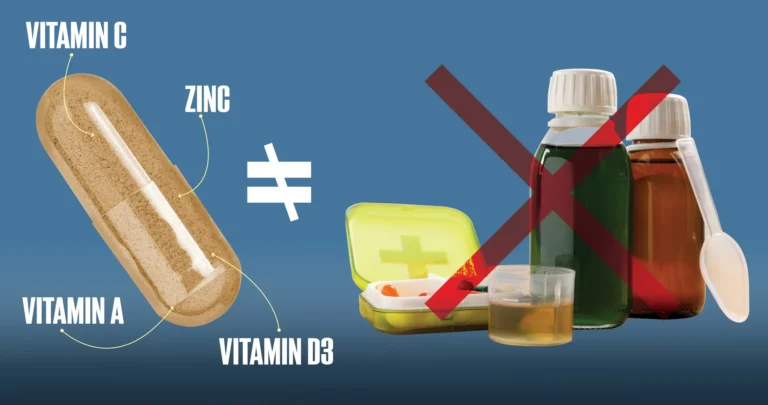
When we speak of daily multivitamin benefits, we refer to the advantages one might gain by consuming a multivitamin supplement every day. These benefits may include filling nutritional gaps, preventing deficiencies, supporting general health, and possibly reducing the risk of chronic disease in certain populations.
However, whether all these benefits apply to everyone is a complex question. Let’s examine the evidence, pros and cons, and who truly might benefit from a daily multivitamin regimen.
The Scientific Evidence Behind Daily Multivitamin Benefits
Filling Nutrient Gaps
One of the core arguments in favor of daily multivitamin benefits is that many people fail to meet daily recommended intakes of certain vitamins and minerals through diet alone. Studies have shown that diets even in developed countries often fall short in micronutrients like vitamin D, magnesium, potassium, and B-vitamins. A well-formulated multivitamin can help cover those shortfalls.
Preventing Deficiencies
Another advantage often cited is that routine intake can prevent outright deficiency diseases—such as scurvy (vitamin C deficiency), rickets/osteomalacia (vitamin D deficiency), or pernicious anemia (vitamin B12 deficiency). In populations at higher risk (elderly, people on restricted diets, people with absorption issues), the daily multivitamin benefits can include avoiding these clinically relevant deficiencies.
Supporting Overall Health & Wellness
Advocates of daily multivitamin benefits also argue that small, incremental support to immune function, energy metabolism, and antioxidant defenses can accumulate over time, leading to better baseline wellness. For example, B-vitamins support energy generation, vitamin C and E act as antioxidants, and minerals like zinc and selenium assist immunity.
Mixed Evidence for Disease Prevention
One of the more debated possible daily multivitamin benefits is chronic disease prevention — cancers, cardiovascular disease, cognitive decline. Some large long-term trials have shown modest benefits, while others find no effect or even slight risks. For most healthy, well-nourished adults, multivitamins are not a magic bullet against chronic illnesses.
Who May Actually Gain from Daily Multivitamin Benefits?

Not everyone needs to take a multivitamin every day. The people most likely to benefit include:
- Those with restricted or imbalanced diets (e.g. vegan, vegetarian, very low calorie)
- Pregnant or breastfeeding women (under guidance)
- Older adults with reduced absorption or reduced appetite
- People with medical conditions or medications that impair nutrient absorption
- People in regions where certain nutrient deficiencies are common
For these individuals, the daily multivitamin benefits may be more meaningful and clinically significant than for someone already eating a diverse, nutrient-rich diet.
Possible Risks and Downsides

To weigh the true value of daily multivitamin benefits, you must also consider potential downsides:
- Overdosing: Fat-soluble vitamins (A, D, E, K) and certain minerals (iron, selenium) can reach toxic levels if taken excessively or combined with fortified foods.
- Interactions: A multivitamin might interact with medications (e.g. high vitamin K interfering with warfarin).
- False security: Relying on a pill rather than improving diet and lifestyle.
- Cost and compliance: Daily cost, forgetting to take it, and quality issues (poor absorption, substandard formulation).
- Unproven claims: Some advertised benefits (e.g. “boosts metabolism” or “prevents cancer”) are unsupported and misleading.
How to Choose a Good Multivitamin for Real Daily Multivitamin Benefits
If you decide you want to try a multivitamin to capture the daily multivitamin benefits, here are guidelines:
- Look for one that provides close to 100% of the Recommended Dietary Allowance (RDA) for most vitamins and minerals (not mega-doses).
- Avoid very high levels of nutrients with narrow safety margins (e.g. preformed vitamin A, excessive iron unless needed).
- Ensure third-party testing and quality assurance (USP, NSF, etc.).
- Check for nutrients in bioavailable forms (e.g. methyl B12, chelated minerals) rather than cheap, poorly absorbed forms.
- Make sure you don’t exceed tolerable upper intake levels when combined with diet and fortified foods.
By selecting wisely, you maximize the potential daily multivitamin benefits without incurring undue risk.
How and When to Take a Multivitamin for Maximum Benefit
To get the most from your daily multivitamin benefits, follow these tips:
- Take with food — many vitamins absorb better with fat or a mixed meal.
- Split dose if the pill is large or if it causes discomfort.
- Take consistently, at the same time each day, to build habit.
- Do not take it at the same time as medications that may interfere — check spacing.
- Reassess periodically — after 6–12 months, check labs if possible (vitamins like D, B12, folate) to see if you really needed it.
Realistic Expectations from Daily Multivitamin Benefits
When you begin a multivitamin regimen, be realistic:
- It is not a substitute for a healthy diet, sleep, exercise, and stress management.
- It may prevent deficiency but not guarantee glowing health or prevent all disease.
- Some benefits may take months or years to manifest (e.g. bone, immune support).
- Some people may feel subjective benefits (more energy, fewer colds), but others may not notice anything.
Understanding this helps temper expectations and avoid disappointment.
Common Myths vs Realities
- Myth: More is better. Reality: Excessive dosages can cause harm.
- Myth: Multivitamins cure diseases. Reality: They assist, not cure, and medical treatment is primary.
- Myth: If you eat well, you don’t need them. Reality: Many diets still fall short in micronutrients, so daily multivitamin benefits may still have a role in certain people.
- Myth: All multivitamins are the same. Reality: Quality, form, dosage, and ingredient selection vary widely.
When to Avoid or Use Caution with Multivitamins
In some cases, taking a multivitamin may not be appropriate or requires caution:
- People with chronic kidney disease (risk of mineral overload)
- Those with hemochromatosis or iron overload (avoid extra iron)
- People taking high-dose medications (e.g. chelators, thyroid, certain antibiotics)
- People already consuming a heavily fortified diet
- Children and adolescents — they need age-appropriate formulations
In these cases, the risks may outweigh the daily multivitamin benefits, and professional guidance is important.
Summary Table: Pros and Cons of Daily Multivitamin Benefits
| Pros (Potential Benefits) | Cons & Risks |
|---|---|
| Fills nutrient gaps | Overdose risk of fat-soluble vitamins |
| Prevents classic deficiencies | Drug-nutrient interactions |
| Supports energy, immunity | False sense of security |
| May modestly protect in deficient populations | Cost, compliance, variable quality |
| Useful for high-risk groups | Unproven claims |
Conclusion
Multivitamins are not a universal solution, but under the right circumstances, daily multivitamin benefits can indeed be meaningful. For those with dietary gaps, increased needs, absorption challenges, or restricted diets, a well-chosen multivitamin may help support health and reduce deficiency risk. However, they are not a substitute for a nutritious diet and healthy lifestyle. Always approach multivitamin use thoughtfully, monitor your nutrient status, and consult a health professional when necessary.

Want more meal plans and recipes? Explore our Protein foods, Micronutrients, Balanced nutrition and Meal plan. Or Visit My YouTube Channel The Nutrition Guides.
Top 10 FAQs
1. Are multivitamins safe for everyone?
In general, multivitamins are safe for many people when taken at recommended dosages. However, those with certain medical conditions, those on specific medications, or who already consume high levels of fortified foods should seek guidance to prevent excess intake or interactions.
2. Can I take a multivitamin instead of eating vegetables and fruits?
No. Whole foods provide more than just vitamins — they contain fiber, phytonutrients, and complex compounds that supplements cannot replicate. Multivitamins should complement, not replace, a healthy diet.
3. How soon will I notice benefits?
It varies. Some people feel an improvement in energy or immune resilience within weeks, while for others, measurable changes (e.g. in blood levels) may take months. Some benefits may never be subjectively felt.
4. Is it possible to overdose on a multivitamin?
Yes, especially with fat-soluble vitamins (A, D, E, K) and minerals like iron or selenium. Taking multiple supplements or combining with fortified products can raise the risk. Always respect upper intake levels.
5. Do I need to take a multivitamin every day, or can I take it intermittently?
Consistency yields better absorption and steady levels, so daily intake is ideal. However, for some people “off days” may not be harmful if diet is otherwise balanced.
6. Can children or teens use multivitamins?
They can use age-appropriate pediatric multivitamins under guidance. Adult formulas may supply too much of certain nutrients for children, so choose a formulation designed for their age group.
7. Should I take more than one multivitamin or stack other supplements?
Usually not. Stacking multiple supplements often risks nutrient excess or interactions. It’s better to choose a balanced formula and address individual deficits separately with medical oversight.
8. Do multivitamins help with weight loss or metabolism?
Not directly. They support metabolic functions by ensuring needed micronutrients are present, but they do not burn calories or cause weight loss on their own.
9. Can I stop taking multivitamins if my diet improves?
Yes. If your diet becomes rich and varied enough to meet your nutrient needs, you may no longer need supplementation. Monitoring lab markers can guide this decision.
10. When should I consult a healthcare provider regarding multivitamin use?
Consult a professional if you have chronic conditions (kidney disease, liver disease, absorption disorders), take multiple medications, are pregnant or breastfeeding, or if you plan unusually high-dose supplementation.