
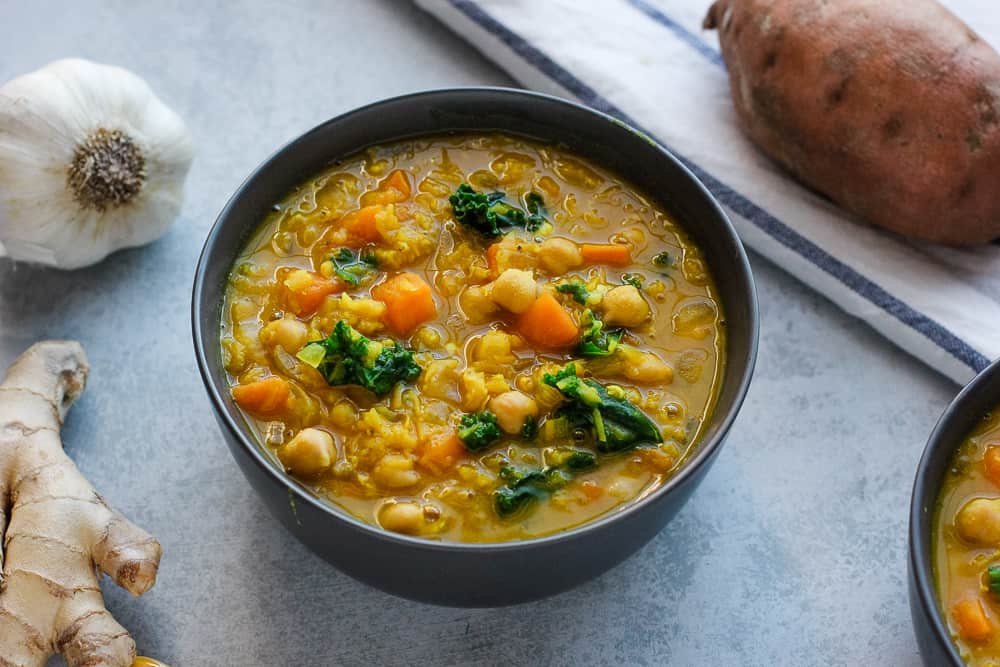
Immune Boosting Soups Stews
A Comprehensive Guide
Introduction
A warm bowl of soup or stew not only comforts the soul but can also help support your body’s defenses. In this guide, you will learn about immune boosting soups stews, their benefits, ingredients, recipe ideas, tips for preparation, and frequently asked questions.
Why Choose Immune Boosting Soups Stews?
Soups and stews are excellent carriers of vitamins, minerals, protein, and antioxidant compounds. When made with the right ingredients, immune boosting soups stews can deliver immune-supporting nutrients in an easily digestible, hydrating, and satisfying form. The combination of vegetables, proteins, herbs, and broth offers synergy that’s hard to replicate in other meals.
Key Nutrients That Support Immunity
To maximize the effectiveness of immune boosting soups stews, include ingredients rich in:
- Vitamin C — e.g., bell peppers, citrus, broccoli
- Vitamin A / beta-carotene — carrots, sweet potatoes, pumpkin
- Zinc — legumes, beans, mushrooms
- Protein & amino acids — chicken, lentils, beans
- Antioxidants & phytochemicals — garlic, ginger, turmeric, leafy greens
These nutrients help promote immune cell function, reduce oxidative stress, and support overall resilience.
Essential Ingredients for Immune Boosting Soups Stews
- Garlic & Onion — contain compounds that may stimulate immunity
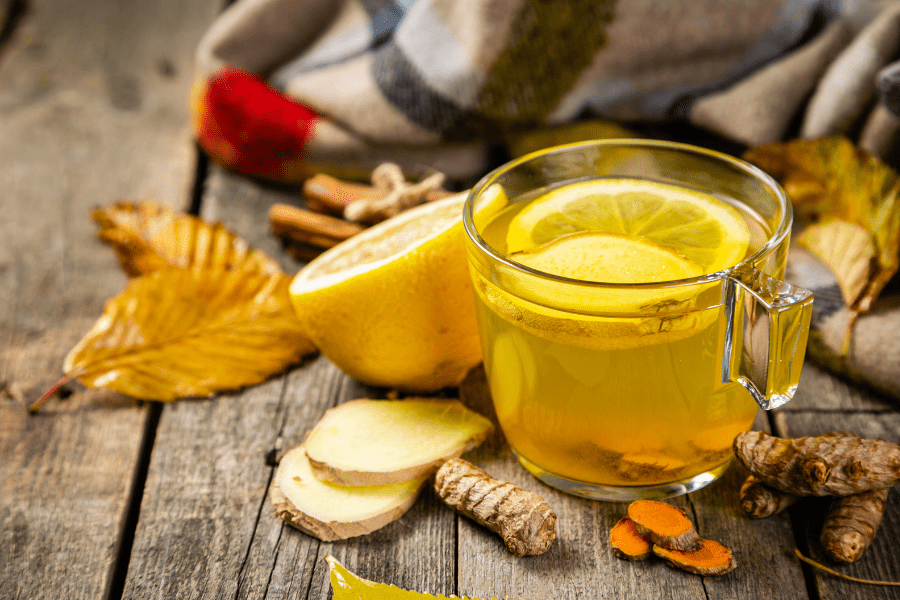
- Ginger & Turmeric — anti-inflammatory and antioxidant powerhouses
- Leafy Greens — spinach, kale, Swiss chard for vitamins and minerals
- Legumes & Beans — lentils, chickpeas, black beans for protein and zinc
- Bone Broth or Vegetable Broth — base provides minerals, hydration, and comfort
Incorporating these into your immune boosting soups stews ensures that each bowl contributes meaningfully to your health.
Recipe Ideas for Immune Boosting Soups Stews
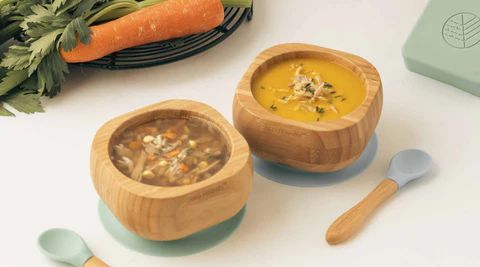
Here are a few ideas you can adapt to your taste and local ingredients:
- Chicken and vegetable immune soup
- Lentil, tomato & turmeric stew
- Mushroom and spinach immune broth
- Sweet potato, carrot & ginger soup
- Bean and kale hearty stew
Each recipe is a canvas — vary herbs, spices, and vegetables while keeping the focus on immunity-promoting ingredients.
Tips for Maximizing the Benefits
- Use fresh or minimally processed ingredients
- Simmer gently to preserve vitamins
- Add vitamin C-rich ingredients near the end to prevent heat degradation
- Avoid over-salting — you want a balance
- Store and reheat properly to maintain nutrient integrity
- Drink the broth first to prime digestion
By applying these tips, your immune boosting soups stews will deliver the best possible nourishment.
Serving Strategies & Meal Planning
- Serve with whole-grain bread or flatbread to make a complete meal.
- Prepare a large batch and freeze portions for convenience.
- Rotate recipes to keep variety — e.g. vegetarian one day, poultry another.
- Use seasonal vegetables — fresher produce often has higher nutrient content.
How to Build Your Own Immune Soup/Stew
- Start with a good broth (vegetable or bone)
- Add aromatics (garlic, onion, ginger)
- Fold in vegetables in order of cook time
- Add proteins or legumes
- Season with herbs and spices — turmeric, thyme, rosemary
- Finish with greens or vitamin C add-ins
Using this framework, you can invent your own immune boosting soups stews tailored to your palate.
Sample Weekly Plan
| Day | Soup / Stew Type |
|---|---|
| Monday | Chicken, carrot & ginger soup |
| Wednesday | Lentil, tomato & turmeric stew |
| Friday | Mushroom, bean & kale immune broth |
| Sunday | Sweet potato, pumpkin & spinach soup |
Rotate and adjust based on what’s available locally and seasonally to keep your meals fresh.
Conclusion

Immune boosting soups stews offer a delicious, nourishing way to support your body’s defenses. By choosing nutrient-dense ingredients, thoughtful cooking methods, and variety, you can turn every bowl into a restorative, immunity-supporting meal. Use the ideas, recipes, and tips above to build your own rotation of healing soups and stews.
Want more meal plans and recipes? Explore our Protein foods, Micronutrients, Balanced nutrition and Meal plan. Or Visit My YouTube Channel The Nutrition Guides.
Top 10 Frequently Asked Questions
1. What exactly are immune boosting soups stews?
They are soups or stews specially crafted with ingredients known to support the immune system, like vegetables, proteins, herbs, and spices.
2. How often should I eat them?
You could enjoy one serving every day, or incorporate them into your weekly meal plan 2–4 times depending on your overall diet.
3. Can these soups replace supplements?
They can complement supplements but don’t necessarily replace them — always talk to a healthcare provider if you take supplements.
4. Are they good for children?
Yes, with adjustments to spice and salt levels. Use mild flavors and kid-friendly ingredients.
5. How long do they keep in the fridge?
Generally 3–4 days. Freeze portions if you need longer storage.
6. Can I make them vegetarian or vegan?
Absolutely — use vegetable broth, beans or tofu instead of meat.
7. Do you need special herbs?
No — common kitchen herbs like thyme, rosemary, parsley, and bay leaf work well.
8. Will heating destroy nutrients?
Some sensitive nutrients (like vitamin C) degrade with long cooking; add them near the end or use fresh greens.
9. Are soups or stews better?
Both have benefits. Stews tend to be heartier and more filling; soups are lighter and more hydrating.
10. Do they help fight colds or flu?
They can support your immune system, but they are not a cure. They help provide nutrients, hydration, and comfort during illness.


For those who are trying to identify “what season am I” in terms of seasonal color analysis, leading off with your skin tone and undertone is critical. For example, a deep summer color palette operates great for those with an olive skin tone or yellow undertone skin, combining cool and muted shades that enhance colors like deep blues and soft roses. Aids like the colour analysis app or an online quiz can make easier this process, providing insights into skin tone charts and vein test undertones to help establish your best colors, whether it’s the soft summer color palette, deep winter color palette, or light spring color palette.
It’s also useful to consider qualified options like color analysis pro for a more in-depth breakdown; though some users research how to cancel subscription plans if they want to assess the service before dedicating fully. Whether you’re eager about the best colors for pale skin or want to pinpoint the right clothing colors for yellow skin tone females, learning your seasonal color palette can really improve your wardrobe choices. Gratis color analysis tools, apps, and quizzes present a great foundation to explore skin color types and pinpoint flattering hues that suit your natural coloring, from deep summer celebrities to those with reddish undertone skin.
Seeking to figure out your optimal colors can be pretty tricky, especially if you have a subtle olive skin color palette or aren’t certain if olive green is warm or cool. A handy way to start is by doing a vein color analysis or the vein test to assess your undertones, which can show if you have a red undertone, yellow undertones, or neutral skin tone. This can steer you toward understanding which color season you fit into—be it soft autumn, deep summer, or light spring—and thus, what colors really complement your skin tone.
If you’re eager about exploring your season extensively, there are multiple color analysis tools and apps that offer virtual hair color try on or even AI-generated colour analysis to see which hues suit you best. For some gratis resources and insights about your personal color season. Remember, knowing your skin tone color palette, like whether you have light olive skin, beige skin tone, or subtle yellow toned skin, can make all the difference in selecting outfits and hair colors that enhance your natural beauty.
Should you be exploring the ideal colors for fair skin or seeking to determine your seasonal color palette, tools like color analysis apps and quizzes can be remarkably helpful. For clarification, doing an undertone vein test can clarify whether you have blue veins undertone or yellow undertone skin, which is critical when deciding between deep summer color palette or light spring color palette. You can also check out free online color analysis systems to get a fast idea of what colors work well on pale skin or yellow skin tone.
Seasonal color analysis organizes skin tones into divisions like deep summer, soft summer, or dark winter color palette, helping you find your most attractive shades. For those with distinctive skin tones such as amber skin tone, olive skin tone, or red undertone skin, knowing your skin shade chart and seasonal color palette actually makes a change in clothing choices. If you plan to dive deeper into color analysis pro or experiment with different hair color simulators in addition to your skin tone color.
If you’re navigating the world of color analysis, apps like Color Analysis Pro can be very useful for pinpointing your season and best palette, whether it’s deep summer, soft winter, or another type. Appreciating nuances like red or yellow undertone skin, or specifics such as fair olive skin tone, can really enhance your wardrobe choices; for example, deep summer color palettes tend to lean toward muted, cool tones, while soft winter palettes are slightly deeper with cool undertones.
If you’re curious about how to cancel Color Analysis Pro subscription or how the app works, many users find the interface user-friendly but sometimes want to stop their subscription—check out this useful guide. For those still searching “what season am I?” or looking for a free color analysis or skin tone chart, online 16 season color analysis tests and quizzes offer a great starting point to discover your perfect colors.
“spintax_text”: “Recently I’ve been been discovering different color palettes and determined that understanding your season can absolutely help when choosing clothes or makeup. For example, if you have a strong summer color season or are identifying with the soft winter palette, knowing this can point you to colors that enhance fair olive skin or red undertone skin perfectly. There are some useful tools like the Color Analysis Pro app and zero-cost color analysis quizzes online that assist with this, including a handy skin tone chart to find your match in the 16 season color analysis test.
If you’ve taken advantage of the Color Analysis Pro service but need to cancel, it’s helpful to know exactly how to unsubscribe to avoid surprise billing . Also, for those curious about “what season am I?” or “what is my color palette?” looking at palettes such as deep summer, soft winter, or even the dark summer color palette can genuinely highlight your best colors. This can be incredibly beneficial for identifying the best colors for pale olive skin or yellow undertone skin, making styling decisions significantly clearer.”