

Calcium & Magnesium Benefits: Essential Body Support
calcium magnesium benefits
The Role of Calcium and Magnesium in Your Body
Your health depends heavily on minerals that quietly work behind the scenes, and among the most vital are calcium and magnesium. Together, they support many body systems — from bones and muscles to nerves and metabolism. In this article, we will explore calcium magnesium benefits, how they interact, recommended intakes, sources, common deficiencies, and how to use them safely.
Why Calcium and Magnesium Matter
Calcium and magnesium are two of the most abundant minerals in your body. Though each has unique roles, their functions often overlap or complement one another. When balanced properly, they help maintain:
- Strong bones and teeth
- Normal muscle contraction and relaxation
- Healthy nerve signaling
- Cardiovascular stability
- Metabolic processes (like energy production and enzyme reactions)
Understanding calcium magnesium benefits means appreciating how they combine to support these critical systems.
Key Functions of Calcium
Bone and Dental Health
Calcium is famously known for building and maintaining bones and teeth. Around 99% of the body’s calcium is stored in bone and teeth, giving structure and strength. Bone is dynamic tissue; calcium is constantly deposited and withdrawn. Adequate calcium ensures bone density is maintained, preventing conditions like osteoporosis or fractures as you age.
Muscle Contraction
When your nerves signal muscle fibers to contract, calcium ions are released inside muscle cells and help trigger the contraction process. Without enough calcium, muscle function becomes inefficient, leading to weakness or cramping.
Nerve Transmission
Calcium plays a signaling role in nerve cells. It helps transmit signals from one neuron to another or from nerves to muscles. A deficiency can cause tingling sensations or abnormal nerve firing.
Blood Clotting
Calcium is required in certain steps of the clotting cascade. When you get injured, calcium enables activation of clotting factors to form a stable clot and stop bleeding.
Hormonal & Enzyme Activity
Some hormones and enzymes must bind calcium ions to become active. In these ways, calcium is a regulator, not just a structural mineral.
Key Functions of Magnesium
Enzyme Cofactor & Metabolic Reactions
Magnesium is a critical cofactor for over 300 enzyme systems. These enzymes participate in protein synthesis, DNA/RNA production, energy (ATP) metabolism, and more. Without magnesium, many biochemical reactions stall.
Muscle Relaxation
While calcium is largely involved in contraction, magnesium helps muscles relax. After a muscle contraction, magnesium helps reset and relax fiber tension. This interplay is crucial for smooth, balanced muscle function.
Nervous System Regulation
Magnesium modulates nerve excitability. It can reduce excessive firing by blocking certain calcium channels in nerve cells. This gives it a calming effect and helps maintain proper nerve function.
Electrical Balance
Magnesium assists in maintaining healthy electrolyte balance (e.g., potassium, sodium). In the heart and muscles, this ensures stable electrical conduction and prevents arrhythmias or muscle spasms.
Bone Health
Though less known than calcium’s role, magnesium also contributes to bone structure. It helps convert vitamin D into its active form, which in turn enhances calcium absorption and bone mineralization.
Synergy: How Calcium and Magnesium Work Together
One of the most interesting aspects of these two minerals is their synergistic relationship. Many of the calcium magnesium benefits come from their cooperation:
- Balance and absorption: Magnesium influences how calcium is absorbed, transported, and deposited. Without adequate magnesium, too much calcium may accumulate in soft tissues (arteries, kidneys) instead of being directed to bone.
- Regulating muscle tension: Calcium stimulates contraction; magnesium helps muscles relax. The balance ensures that muscles contract and release smoothly—with neither stiffness nor flaccidity.
- Nerve signaling checks and balances: Calcium triggers nerve impulses; magnesium tempers overexcitement by regulating calcium influx. Together they maintain proper neural activity.
- Bone remodeling: Bone constantly turns over. Magnesium helps the bone formation process while calcium is deposited. A deficiency in one impairs optimal bone health.
However, excessive intake of one without the other can disrupt balance. For instance, taking a very high dose of calcium while being low in magnesium might raise the risk of muscle cramps, constipation, or even cardiovascular stress.
Recommended Intakes & Ratios
To maximize calcium magnesium benefits, getting them in appropriate amounts is key. The ideal ratio is often debated, but many experts suggest a calcium-to-magnesium ratio of about 2:1 (twice as much calcium as magnesium) or 1.5:1, depending on age, health status, and diet.
Here are general daily intake recommendations (these vary by country and guideline; always consult local dietary reference values or a nutrition professional):
| Group | Calcium (mg/day) | Magnesium (mg/day) |
|---|---|---|
| Children (9–18) | 1,300 | 360–410 |
| Adults (19–50) | 1,000 | 310–420 |
| Older adults (51+) | 1,200 | 320–420 |
| Pregnant / breastfeeding | 1,000–1,300 | 310–360 |
If your diet is poor in one mineral, altering intake of the other alone may not yield the full calcium magnesium benefits. Balance is crucial.
Food Sources of Calcium and Magnesium
Top Calcium-Rich Foods
- Dairy: milk, yogurt, cheese
- Leafy greens: kale, collard greens, bok choy
- Fortified foods: fortified plant milks, cereals
- Fish with bones: sardines, canned salmon
- Tofu (calcium-set)
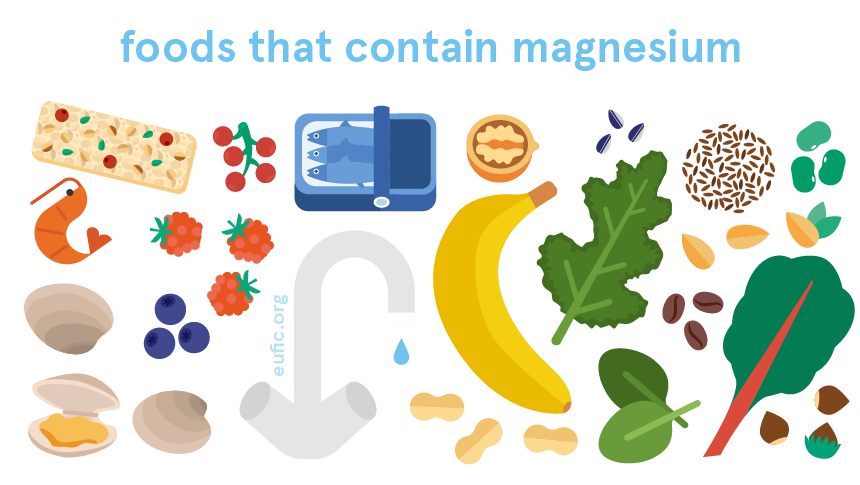
Top Magnesium-Rich Foods
- Nuts and seeds: almonds, cashews, pumpkin seeds
- Whole grains: brown rice, oats, quinoa
- Legumes: black beans, edamame, lentils
- Leafy greens: spinach, Swiss chard
- Dark chocolate (in moderation)
- Seafood: mackerel, halibut
Because many plants contain both minerals, a balanced whole-food diet often delivers both calcium and magnesium together, helping you reap the calcium magnesium benefits naturally.
Signs and Risks of Deficiency
Calcium Deficiency (Hypocalcemia)
Symptoms may include:
- Muscle cramps, spasms, or twitching
- Tingling in fingers or around the mouth
- Weak and brittle nails
- Osteopenia or osteoporosis
- In severe cases: seizures, cardiac issues
Magnesium Deficiency (Hypomagnesemia)
Symptoms may include:
- Muscle weakness, tremors, cramps
- Fatigue, irritability
- Irregular heartbeat or palpitations
- Sleep disturbances
- Low potassium or calcium levels (because of interplay)
When either mineral is deficient, expecting full calcium magnesium benefits is unrealistic.
Factors That Interfere with Absorption or Increase Loss
Even if you consume enough calcium and magnesium, certain factors may limit their benefits:
- High sodium intake can lead to increased urinary calcium excretion
- Excessive caffeine or alcohol may reduce absorption
- High phosphorus (soft drinks) may displace calcium
- High doses of supplemental zinc or iron can compete for absorption
- Vitamin D deficiency impairs calcium absorption
- Certain medications (e.g., proton pump inhibitors, diuretics) may increase losses
- Gastrointestinal disorders (celiac disease, Crohn’s disease) can reduce mineral uptake
Avoiding or mitigating these factors helps you gain the full calcium magnesium benefits.
How to Choose Supplements Safely
If your diet alone isn’t enough, supplements can help. To maximize calcium magnesium benefits safely:
- Choose a supplement with a balanced ratio or take calcium and magnesium separately.
- Use chelated or well-absorbed forms (e.g. calcium citrate, magnesium glycinate) rather than poor-absorbing ones.
- Don’t exceed upper intake levels unless advised by a health professional.
- Take them with meals (improves absorption).
- Avoid taking high doses of calcium at the same time as iron or zinc supplements.
- Monitor for side effects like diarrhea (from magnesium) or constipation (from calcium).
Specific Health Benefits Backed by Research
Bone Density & Osteoporosis Prevention
Numerous studies show that adequate intake of both calcium and magnesium supports bone mineral density, particularly in postmenopausal women. The calcium magnesium benefits are more pronounced when combined with vitamin D and weight-bearing exercise.
Cardiovascular Health
Balanced calcium and magnesium help with blood vessel tone, blood pressure regulation, and preventing arterial calcification when magnesium is present to help direct calcium into bones rather than vessels.
Muscle Function & Cramp Prevention
Regular intake helps reduce the frequency and severity of muscle cramps, especially at night or in athletes. The synergy of calcium magnesium benefits helps nerves and muscles work in harmony.
Metabolic & Insulin Support
Magnesium particularly plays a role in insulin signaling and glucose metabolism. Adequate magnesium status may reduce the risk of type 2 diabetes. Calcium also plays roles in cellular signaling. Together, their benefits may support metabolic health.
Mood, Sleep & Nervous Stability
Magnesium can have calming effects, promoting relaxed nerves and better sleep. Calcium’s role in neurotransmitter release is also relevant. Together, calcium magnesium benefits extend to mood regulation and neurological balance.
How to Incorporate Them Into Your Diet
Here’s a sample daily plan to harness calcium magnesium benefits without heavy reliance on supplements:
Breakfast
- Fortified plant milk or yogurt (calcium)
- Oatmeal topped with almonds or pumpkin seeds (magnesium)
Lunch
- Spinach salad with beans and grilled tofu (both minerals)
- Whole grain bread
Snack
- Handful of cashews or dark chocolate (for magnesium)
- Cheese slices or yogurt
Dinner
- Baked salmon (calcium + magnesium)
- Steamed greens (kale, chard)
- Quinoa or brown rice
Evening
- A small serving of fortified cereal or a magnesium-rich nut mix
If your diet is lacking, a moderate supplement may fill gaps.
Cautions & Contraindications
While calcium magnesium benefits are significant, there are cautions:
- Too much calcium without magnesium (or vice versa) can lead to imbalance, kidney stones, or mineral deposition in soft tissues.
- High doses of magnesium may cause diarrhea, nausea, or abdominal upset.
- Certain health conditions (kidney disease, hyperparathyroidism) may require careful monitoring before supplementing.
- Always consult a healthcare professional before starting new supplements, especially if you take medications like blood thinners, diuretics, or have chronic illnesses.
Practical Tips for Getting the Best Results
- Focus on whole foods first, as they offer cofactors (vitamins, trace elements) that enhance absorption.
- Spread your intake throughout the day rather than loading a large single dose.
- Pair with vitamin D (for calcium absorption) and vitamin K2 (for directing calcium to bones).
- Stay hydrated and maintain balanced electrolytes.
- Exercise regularly — weight-bearing and resistance exercises improve bone uptake of minerals.
Conclusion
The calcium magnesium benefits in your body are profound. These two minerals work hand-in-hand to build and maintain bones, regulate muscle and nerve function, support cardiovascular health, and sustain metabolic balance. To fully reap their benefits, aim for a balanced diet rich in dairy or fortified alternatives, nuts, seeds, whole grains, legumes, and leafy greens. When necessary, use supplements thoughtfully and cautiously, ensuring the proper ratio and under professional guidance. By prioritizing both calcium and magnesium in harmony, you promote resilient health across many body systems.
Top 10 FAQs About Calcium & Magnesium Benefits
- Can I take calcium and magnesium together?
Yes — taking them together is common and beneficial, as long as the ratio is balanced (e.g., 2:1 calcium to magnesium or as advised). It helps maximize calcium magnesium benefits. - Which form is best for absorption?
Calcium citrate and magnesium glycinate or malate are generally better absorbed and easier on digestion. - Can excess calcium harm me if magnesium is low?
Yes — too much calcium relative to magnesium can lead to muscle cramps, vascular calcification, or kidney stress. - Does dietary vitamin D matter?
Absolutely — vitamin D aids calcium absorption. Without sufficient vitamin D, you’ll lose many of the calcium magnesium benefits. - Will magnesium cause diarrhea?
In high doses, yes. That’s why balanced intake and gradual increases are safer to enjoy the full benefits. - Should I worry about kidney stones?
A balanced calcium and magnesium intake is less likely to cause stones than excessive calcium alone. Adequate magnesium may actually protect against stone formation. - Can calcium and magnesium improve sleep?
Magnesium, in particular, can help calm the nervous system and support restful sleep. Together, they support nervous balance. - Is bone health the only benefit?
No — their benefits extend to muscles, nerves, metabolism, and cardiovascular health. - How long until I see benefits?
Some effects like reduced cramping may be noticeable in weeks, while changes in bone density or cardiovascular markers may require months. - Can I get enough from food alone?
Many people can if they eat a varied, whole-food diet rich in dairy or fortified alternatives, nuts, seeds, legumes, greens, and whole grains. Supplements may be useful if dietary intake is inadequate.
Want more meal plans and recipes? Explore our Protein foods, Micronutrients, Balanced nutrition and Meal plan. Or Visit My YouTube Channel The Nutrition Guides.