Delicious Salads That Keep You Full & Energized
Delicious Salads Keep You Full
Salads That Keep You Full and Energized
Salads often get a bad rap as being light, insubstantial meals that leave you hungry shortly afterwards. But with the right approach, delicious salads that keep you full and energized are absolutely possible — and in fact, ideal for a balanced lifestyle. In this article on TheNutritionGuides.com, we’ll dive deep into how to build salads with substance, flavour and staying-power, so you walk away feeling satisfied, strong and ready for your day.
Why choose delicious salads that keep you full?
In our modern busy lives, meals that only fill you temporarily can lead to mid-afternoon slumps, cravings, and poor energy. But when you craft delicious salads that keep you full and energized, you’re not just eating greens—you’re fuelling your body with nutrients, fibre, protein and healthy fats. According to nutrition experts, combining greens with quality proteins and whole-grains helps you stay satiated. EatingWell+2Good Housekeeping+2
Building blocks of a satisfying salad
The key to creating truly delicious salads that keep you full lies in layering the right components. Let’s break them down:
1. Leafy green base
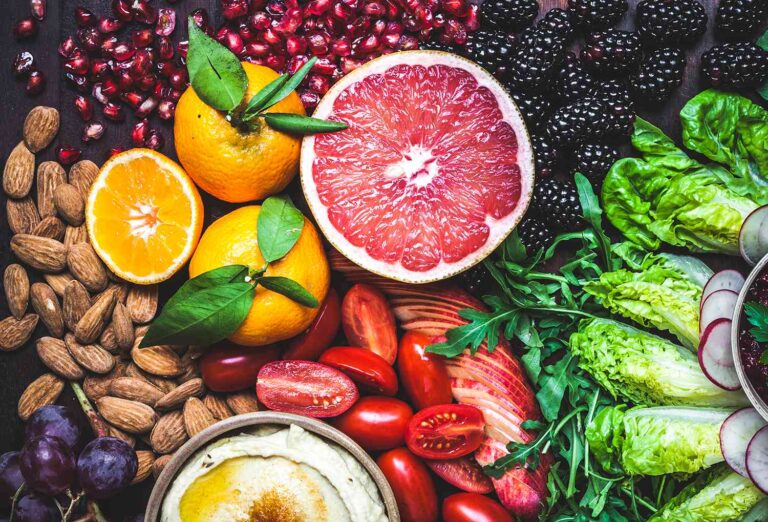
Start with nutrient-dense greens like spinach, kale, arugula or mixed baby greens. Lighter iceberg lettuce has far fewer nutrients. Experts say choosing darker greens boosts vitamin and antioxidant intake.
2. Hearty vegetables and colour
Add plenty of crunchy, colourful vegetables—bell peppers, carrots, cucumbers, purple cabbage. Cleveland Clinic highlights that adding crunch and colour helps with nutrient variety in performance and energy.
3. Whole-grain or fibre-rich base
To ensure the salad sustains you, include grains like quinoa, farro, barley or wild rice. These contribute fibre, complex carbs and help turn the salad into a fuller meal. For example, one article lists “20 healthy and hearty salads to keep your energy levels up” using grains and legumes.
4. Protein punch
Protein is critical for feeling full and maintaining energy. Whether it’s grilled chicken, salmon, tofu, beans or legumes, make sure your salad includes a solid serving of protein. One guide emphasises that salads with lean protein and healthy fat keep you satisfied.
5. Healthy fats & toppings
Don’t skimp on fats—avocado, nuts, seeds, olives and good oil-based dressings help with nutrient absorption and fullness. According to Healthline, nuts and seeds are excellent salad toppings for fibre, protein and healthy fats.
6. Smart dressings
Avoid heavy, creamy dressings loaded with saturated fat and sugar. Instead opt for vinaigrettes, citrus-based dressings, olive oil plus herbs. This helps maintain both flavour and health.
Delicious salad ideas that keep you full and energized
Now that we’ve covered the essentials, here are specific salad ideas that exemplify delicious salads that keep you full and energized. Each one is a meal-in-itself.
Mediterranean Quinoa & Chickpea Salad
Combine cooked quinoa, cooked chickpeas, chopped cucumber, cherry tomatoes, red onion, parsley, olives, crumbled feta and a lemon-olive oil vinaigrette. The quinoa and chickpeas provide fibre and plant-based protein, the veggies add freshness, and the feta/olives supply flavour and healthy fats. A great example of a salad that delivers fullness.
Grilled Chicken, Avocado & Spinach Salad
Use baby spinach or mixed greens, top with grilled strips of lean chicken breast, sliced avocado, roasted sweet potato chunks and pumpkin seeds. Dress with a lime-cilantro vinaigrette. The chicken gives solid protein, the avocado and pumpkin seeds healthy fats, and the sweet potato a slow-release carbohydrate for lasting energy.
Salmon, Kale & Farro Salad
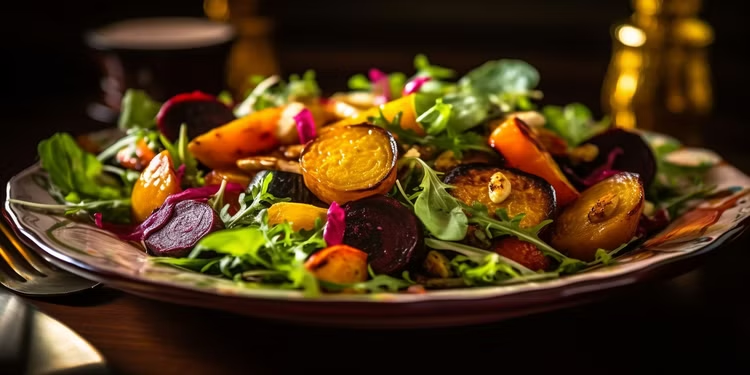
Kale as the base, cooked farro for chew and fibre, flaked grilled salmon for omega-3 fats and protein, roasted beets for colour and flavour, and toasted walnuts for crunch. Dress lightly with balsamic and olive oil. A powerhouse of nutrients designed to be felt.
Lentil, Roasted Veggie & Feta Salad
Roast butternut squash and Brussels sprouts, then toss with cooked lentils, spinach, red onion, cranberries, crumbled feta and a maple-balsamic dressing. Lentils are a great plant protein and fibre source, roasted veggies add warmth and depth, and the feta adds savoury richness. Another excellent example of the “delicious salads that keep you full” theme.
Taco-Style Chicken & Black Bean Salad
For a more fun, flavourful option: shredded taco-seasoned chicken, black beans, corn, chopped romaine lettuce, avocado, tomato, cilantro, a squeeze of lime and light olive oil. Black beans and chicken deliver protein and fibre; the greens and veggies keep it light and vibrant yet satisfying.
How to stay full for longer with your salad
Here are practical tips to maximise the staying-power of your meal:
- Portion wisely: Make the salad large enough to act as a main rather than a side.
- Mix textures: Crunchy veggies + chewy grains + creamy avocado/nuts create a more satisfying experience.
- Balance macros: Aim for a mix of protein (20-30 g), fibre (≥5 g), healthy fat (~1-2 tbsp) and complex carbs.
- Eat mindfully: Sit down, chew well, savour the flavours. This helps your body register fullness.
- Prep ahead: Having pre-cooked grains, washed greens, roasted veggies in fridge makes it easier to build your meal and avoid going for less healthy convenience options.
- Watch dressings: Use moderate oil, plenty of acid (lemon/vinegar) and herbs/spices rather than heavy creams. This keeps calories in check while still giving flavour.
Why these salads energize you, not weigh you down
When you eat plain, low-calorie greens without macronutrient balance, you might leave hungry or crash later. But when you choose delicious salads that keep you full and energized, you’re providing your body:
- Fibre for sustained digestion and fullness
- Protein to stabilize blood sugar and support muscle and stamina
- Healthy fats for nutrient absorption and satiety
- Complex carbs for slow release energy
For example, Healthline’s list of salad toppings emphasises beans, nuts, whole grains for fullness, fibre and nutrient density. Healthline Cleveland Clinic’s “8 steps to make the healthiest, most delicious salads ever” also confirms you’ll feel more energy and better after meals built this way. Cleveland Clinic
Common mistakes and how to avoid them
Even with the best intentions, it’s easy to end up with salads that don’t deliver fullness or energy. Here’s what to watch out for:
- Too few calories/protein: A tiny side salad won’t cut it. Boost it up with protein, grains or legumes.
- Heavy dressings or toppings: Creamy dressings, large amounts of cheese/croutons can add excess calories and weigh you down.
- Lacking variety: Greens alone or few ingredients lead to boredom and lower nutrient content. Mix it up.
- Eating too fast or on the move: When you eat distracted, you’re less likely to feel full and might snack later.
- No whole grains or fibre: Without fibre or slow-release carbs, you may feel hungry sooner.
How to integrate into your weekly plan
Here’s a sample weekly plan using these salads:
- Monday: Mediterranean Quinoa & Chickpea (make extra quinoa)
- Wednesday: Grilled Chicken, Avocado & Spinach
- Friday: Salmon, Kale & Farro
- Sunday: Lentil, Roasted Veggie & Feta (great for batch-prep)
Between those, you can use leftovers or simpler side-salads to complement other meals. By making delicious salads that keep you full and energized a core part of your nutrition strategy, you’ll feel more alert, less prone to mid-afternoon crashes, and more satisfied at mealtimes.
Tracking fullness and energy
Take note of how you feel after each salad:
- Did you stay full for 3-4 hours?
- Was your energy steady (no slump)?
- Did you avoid cravings for snacks soon after?
If yes, you’re on the right track with delicious salads that keep you full and energized. If not, tweak one component: add more protein, swap in a whole grain, reduce heavy dressing, etc.
Conclusion
Salads don’t have to be light, bland or unsatisfying. On the contrary — when built with intention, they can be the very meals that sustain you, energize you and keep you feeling full longer. By focusing on delicious salads that keep you full and combining nutrient-dense greens, hearty vegetables, quality protein, whole grains, healthy fats and smart dressings, you transform a simple dish into a main-meal powerhouse. Make them a regular part of your routine on thenutritionguides.com, and your body — and your taste buds — will thank you.
Top 10 Best Searches / FAQs
1. What ingredients should I include for salads that keep me full?
To make your salad more filling, include a mix of protein, fibre, and healthy fats. Add leafy greens, beans or lentils, grilled chicken or tofu, nuts or seeds, and a small portion of whole grains like quinoa or brown rice. These ingredients provide long-lasting energy and prevent hunger soon after eating.
2. How much protein do I need in a full meal salad?
A good meal-sized salad should contain 20–30 grams of protein. You can get this by adding ingredients such as grilled chicken, fish, chickpeas, boiled eggs, tofu, or paneer. Protein helps build muscles and keeps you feeling full for hours.
3. Which grains are best for filling salads?
Grains like quinoa, farro, barley, bulgur, or brown rice are excellent for making salads hearty and satisfying. These complex carbs provide slow-releasing energy, keeping your blood sugar stable and your stomach full.
4. Can salads alone provide enough energy for the day?
Yes — if made correctly. A balanced salad with protein, complex carbs, healthy fats, and fibre-rich vegetables can serve as a complete meal. However, if your salad is only made of greens, it won’t meet your body’s energy needs.
5. What dressings keep salads healthy and satisfying?
Opt for homemade vinaigrettes using olive oil, lemon juice, vinegar, mustard, or yogurt. Avoid creamy or store-bought dressings with too much sugar or mayonnaise. Light dressings enhance flavour while keeping calories in check.
6. How do I prep salad ingredients ahead for the week?
You can easily meal-prep salads by:
- Washing and drying greens
- Cooking grains like quinoa or brown rice
- Roasting or steaming vegetables
- Storing toppings like nuts, beans, or seeds separately
Keep dressings in small jars and add them only when ready to eat, to prevent sogginess.
7. Are plant-based proteins enough for a filling salad?
Absolutely! Plant-based proteins like lentils, beans, tofu, tempeh, edamame, chickpeas, and quinoa can make your salad just as filling as meat-based ones. Combine them with seeds, nuts, and veggies for balanced nutrition.
8. How can I avoid my salad being boring or repetitive?
Mix up ingredients each week. Try different greens (spinach, kale, arugula), change your protein source, add seasonal fruits, or experiment with new dressings and textures like roasted veggies or crunchy seeds. Variety keeps your meals exciting and flavorful.
9. What are common mistakes in making filling salads?
- Using only greens without protein or fats
- Adding too much high-calorie dressing
- Forgetting complex carbs or grains
- Eating too small a portion
- Not adding enough flavour (herbs, spices, citrus)
Balancing nutrients and flavours is the secret to a truly satisfying salad.
10. How often should I eat salads to feel full and energized?
You can enjoy salads daily, either as a main meal or a side dish. If you include the right mix of nutrients, eating a wholesome salad every day can boost energy, improve digestion, and support healthy weight management.
Want more meal plans and recipes? Explore our Protein foods, Micronutrients, Balanced nutrition and Meal plan. Or Visit My YouTube Channel The Nutrition Guides.