
Safe Supplement Use: What You Should Know Before Buying
In today’s wellness-driven world, supplements have become a popular way to fill nutritional gaps, boost energy, and enhance performance. However, not every pill or powder sold in stores or online is safe or necessary. Understanding the Safe Supplement Use Guide can help you make informed decisions that protect your health and your wallet.
Why Supplement Safety Matters
Supplements are meant to complement your diet, not replace it. The Safe Supplement Use Guide begins with awareness — knowing that not all supplements are tested or approved by regulatory authorities before they hit the market. This lack of oversight means the responsibility falls on consumers to research and choose wisely.
Unsafe or counterfeit supplements can cause harmful side effects, interact with medications, or contain hidden ingredients that pose serious health risks. Therefore, learning how to identify safe products is crucial for anyone considering supplements.
Understanding What Supplements Are
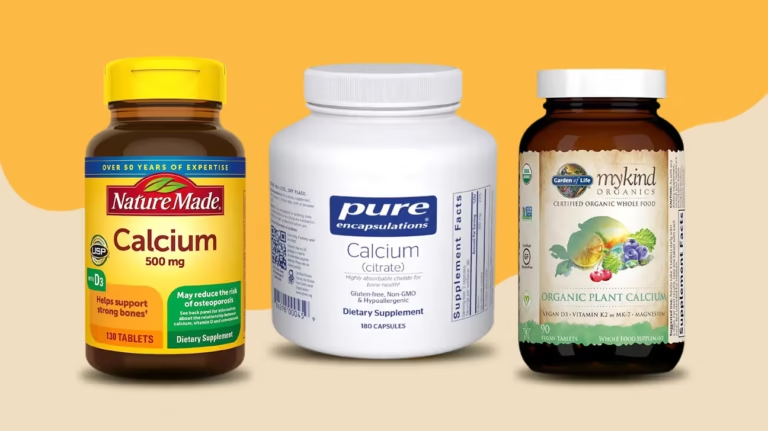
Supplements include vitamins, minerals, herbs, amino acids, and enzymes available in various forms such as tablets, capsules, and powders. According to the Safe Supplement Use Guide, these products can provide specific nutrients missing from your diet but should always be used carefully.
A balanced diet from whole foods remains the best way to meet most nutritional needs. Supplements are helpful only when recommended by a doctor or dietitian.
How to Choose Safe Supplements
Buying supplements isn’t just about picking a brand — it’s about verifying trust and transparency. Follow these Safe Supplement Use Guide steps to choose wisely:
- Check for Third-Party Testing: Look for certifications from organizations like NSF International or USP (United States Pharmacopeia).
- Avoid Unrealistic Claims: Be skeptical of products promising “instant results” or “miracle cures.”
- Read the Ingredients: Make sure the label lists all components clearly. Avoid those with proprietary blends that hide exact quantities.
- Research the Manufacturer: Choose reputable brands with clear customer feedback and scientific backing.
Common Supplement Risks
Even natural supplements can have side effects. The Safe Supplement Use Guide highlights that risks often arise from misuse, overuse, or contamination. For example:
- Excessive Vitamin A or D may lead to toxicity.
- Herbal supplements like kava or comfrey can harm the liver.
- Weight-loss pills may contain unapproved stimulants.
Always consult your healthcare provider before combining supplements with prescription drugs.
Reading Supplement Labels Correctly
Understanding labels is one of the most important lessons in the Safe Supplement Use Guide. Key things to check include:
- Active ingredients and dosage
- Serving size
- Warnings and expiration date
- Contact details of the manufacturer
Avoid supplements that lack clear labeling or use vague ingredient terms.
The Role of Healthcare Professionals
Before adding any supplement to your routine, seek professional advice. According to the Safe Supplement Use Guide, healthcare providers can identify nutrient deficiencies through tests and recommend appropriate products and doses.
Never self-diagnose or rely on online trends when it comes to your health.
How to Spot Fake Supplements
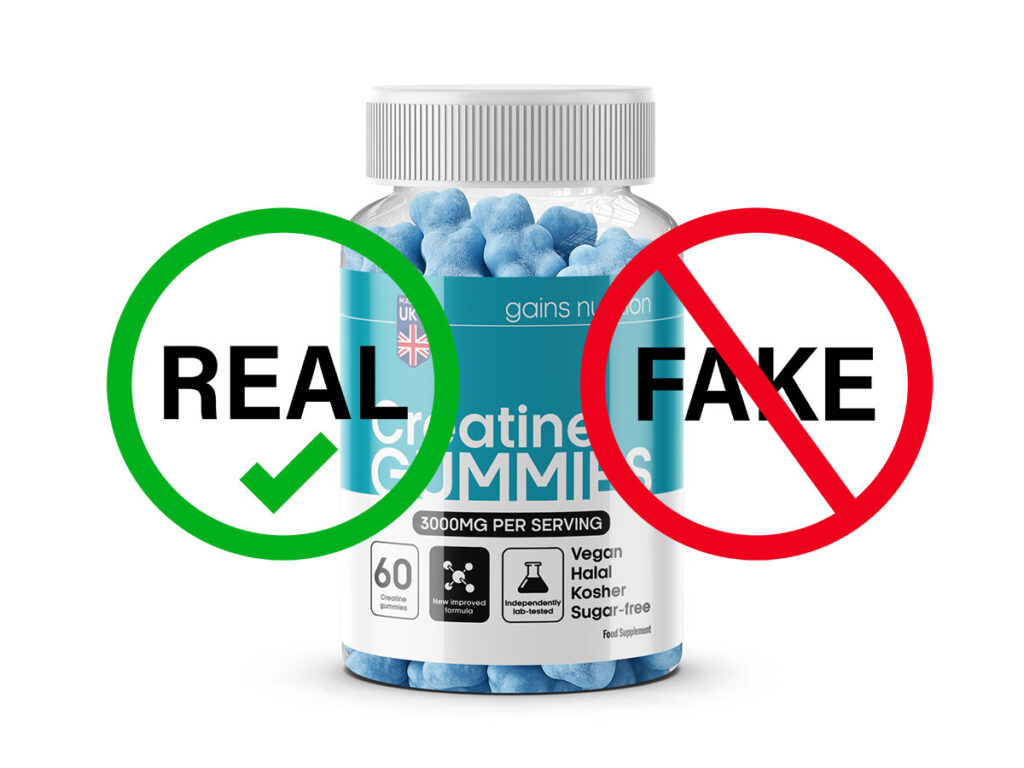
Counterfeit products are a growing problem in the supplement market. Here’s how the Safe Supplement Use Guide recommends spotting them:
- Check packaging: Look for poor printing, spelling errors, or damaged seals.
- Verify batch numbers: Genuine products list traceable batch numbers and expiry dates.
- Buy from trusted sources: Stick to official brand websites, pharmacies, or certified sellers.
The Importance of Dosage
More isn’t always better. The Safe Supplement Use Guide warns that taking higher-than-recommended doses can lead to toxicity or nutrient imbalance. Follow the dosage instructions precisely, and never double up on doses if you miss one.
Combining Supplements Safely
If you take multiple supplements, review them with your doctor to prevent interactions. For example, combining iron and calcium may reduce absorption, while excessive vitamin C can interfere with other nutrients. The Safe Supplement Use Guide encourages keeping a list of all supplements and medications you use for medical review.
Recognizing Reliable Brands
Choosing reliable supplement brands can save you from poor-quality products. Follow these Safe Supplement Use Guide tips:
- Look for transparent labeling and customer support.
- Prefer brands that conduct clinical trials.
- Check if they provide scientific references on their website.
Supplements You Might Actually Need
While not everyone needs supplements, the Safe Supplement Use Guide identifies some commonly beneficial ones:
- Vitamin D for limited sun exposure.
- Omega-3 fatty acids for heart health.
- Iron for women with anemia.
- Vitamin B12 for vegans or vegetarians.
Always verify dosage and need with a healthcare provider before taking any.
Government Regulations and Certifications
Different countries have varying supplement regulations. The Safe Supplement Use Guide suggests checking if your country has a supplement registration system. In the U.S., the FDA oversees labeling but doesn’t approve supplements before sale. That’s why third-party testing and certifications are so valuable.
When to Stop Using a Supplement

If you experience unusual symptoms such as nausea, headaches, or skin reactions, discontinue use immediately. The Safe Supplement Use Guide advises reporting any adverse effects to your healthcare provider or regulatory agency.
Final Thoughts
Supplements can be a helpful addition to your health routine — but only when used wisely. The Safe Supplement Use Guide teaches that research, professional advice, and careful label reading are key to avoiding risks. Remember: a healthy diet should always come first, and supplements should simply support your wellness journey.
Want more meal plans and recipes? Explore our Protein foods, Micronutrients, Balanced nutrition and Meal plan. Or Visit My YouTube Channel The Nutrition Guides.
Top 10 Best Searched FAQs
1. Are supplements safe to take daily?
Only if approved by your doctor and taken within the recommended dosage.
2. How do I know if a supplement is real?
Buy from verified brands and check for third-party testing seals.
3. Can supplements replace a balanced diet?
No, supplements should support, not substitute, nutritious foods.
4. What are signs of supplement overdose?
Symptoms include nausea, dizziness, or fatigue. Stop use immediately.
5. Are herbal supplements safer than synthetic ones?
Not always — both can have side effects or drug interactions.
6. What’s the best time to take supplements?
Follow label instructions — some work best with food, others on an empty stomach.
7. Do supplements expire?
Yes. Always check expiration dates before use.
8. Can supplements cause allergies?
Yes, some may contain allergens or additives. Read labels carefully.
9. How do I store supplements safely?
Keep them in a cool, dry place away from sunlight and moisture.
10. Should I consult a doctor before taking supplements?
Absolutely. Always discuss with a healthcare professional first.