30-Day Meal Plan for Stronger Heart Health
Meal plan for heart health
30-Day Meal Plan for Heart Health
Your heart is at the center of your health — quite literally. The foods you eat can either protect or harm your cardiovascular system. That’s why following a meal plan for heart health is one of the smartest decisions you can make.
Unlike restrictive diets, a heart-healthy meal plan is all about balance, flavor, and consistency. It includes foods that lower bad cholesterol, reduce inflammation, and keep your arteries clear — while still being delicious and satisfying.
In this article, we’ll explore a complete 30-day meal plan for heart health, including nutrition tips, food lists, and lifestyle habits to strengthen your heart naturally.
Why You Need a Meal Plan for Heart Health
Heart disease is one of the leading causes of death worldwide — but it’s also one of the most preventable. A meal plan for heart health helps you make intentional food choices that protect your arteries, regulate blood pressure, and support overall vitality.
Instead of focusing on cutting out food groups, this plan emphasizes nutrient-rich choices like fruits, vegetables, whole grains, and lean proteins.
Healthy eating for the heart isn’t just about what to avoid — it’s about what to include.
Core Principles of a Heart-Healthy Meal Plan
Before we dive into the full meal plan for heart health, let’s understand its foundation. The goal is to eat in a way that supports circulation, lowers inflammation, and nourishes your cardiovascular system.
Here are the key principles:
- Focus on fiber: Whole grains, beans, and fruits help reduce cholesterol.
- Include healthy fats: Omega-3s from fish, nuts, and seeds strengthen the heart.
- Limit sodium and sugar: Reducing processed foods keeps blood pressure steady.
- Choose lean protein: Opt for fish, poultry, or plant-based proteins over red meats.
- Eat more plants: Vegetables and fruits should fill half your plate at each meal.
These small daily choices make a huge difference over time.
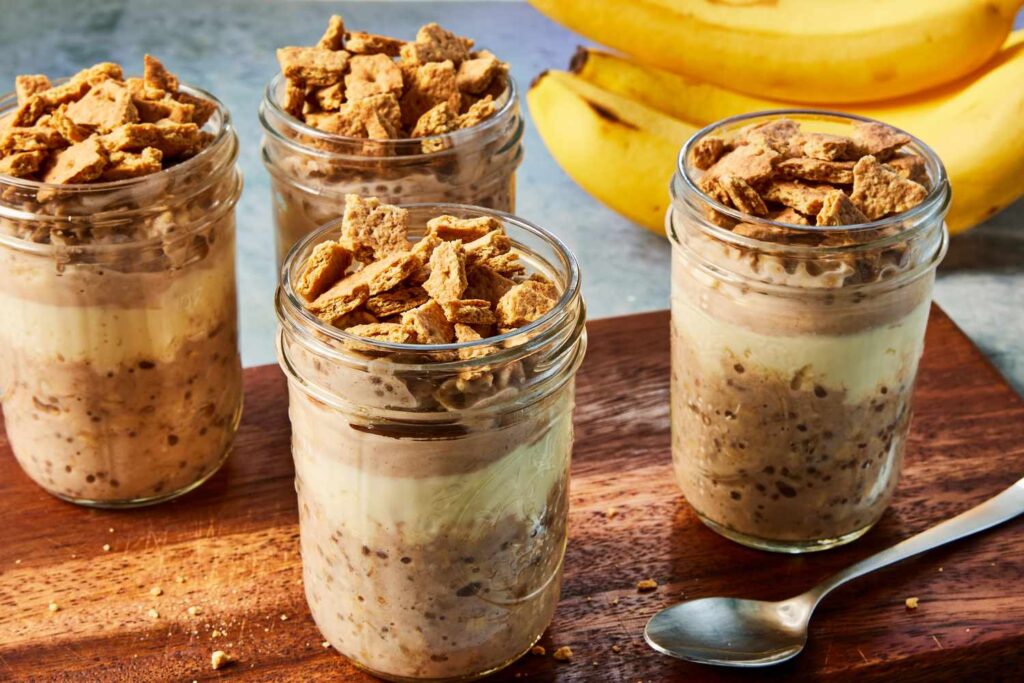
Week 1: Kickstart Your Meal Plan for Heart Health
The first week sets the foundation for your new eating habits. Focus on light, fresh meals that emphasize vegetables, fiber, and healthy fats.
Sample Day 1 Menu:
- Breakfast: Oatmeal with blueberries, chia seeds, and almonds
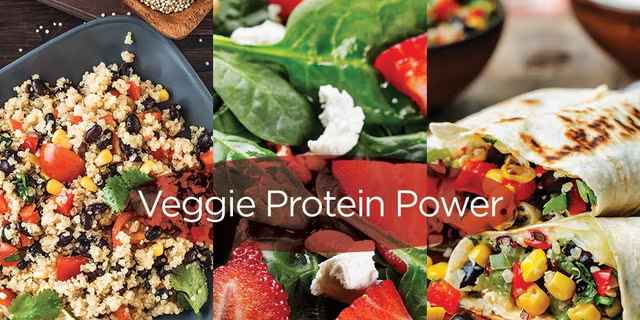
- Lunch: Quinoa salad with chickpeas, olive oil, and spinach
- Snack: Apple slices with peanut butter
- Dinner: Grilled salmon with steamed broccoli and brown rice
Tips for Week 1:
- Drink plenty of water.
- Cut back on processed snacks.
- Cook with olive oil instead of butter.
Starting simple ensures that your meal plan for heart is sustainable, not overwhelming.
Week 2: Boosting Nutrients and Variety
By week two, your body is adjusting to cleaner, lighter eating. Now, focus on variety — new fruits, whole grains, and plant-based proteins.
Sample Day 8 Menu:
- Breakfast: Greek yogurt with flaxseeds and raspberries
- Lunch: Lentil soup with mixed greens
- Snack: A handful of unsalted nuts
- Dinner: Baked chicken with quinoa and roasted vegetables
Week 2 Focus:
- Experiment with herbs for flavor instead of salt.
- Include a serving of oily fish twice this week (like salmon or sardines).
- Swap refined grains for whole grains.
This step keeps your meal plan for heart exciting and nutrient-dense.
Week 3: Strengthen Your Heart with Smart Choices
Now it’s time to fine-tune your habits. This week, you’ll reinforce consistency by eating at regular intervals and managing portion sizes.
Sample Day 15 Menu:
- Breakfast: Whole-grain toast with avocado and poached egg
- Lunch: Grilled vegetable wrap with hummus
- Snack: Berries or dark chocolate (70% cocoa or higher)
- Dinner: Stir-fried tofu with brown rice and kale
Week 3 Focus:
- Eat more fiber-rich legumes.
- Keep healthy snacks ready to avoid unhealthy cravings.
- Limit red meat to once per week or less.
By this stage, your meal plan for heart becomes a natural part of your routine.
Week 4: Long-Term Heart Health Habits
In the final week, the goal is to make your new habits stick. Consistency is what turns short-term plans into lifelong wellness.
Sample Day 22 Menu:
- Breakfast: Smoothie with spinach, banana, oats, and almond milk
- Lunch: Tuna and bean salad with lemon dressing
- Snack: Carrot sticks with hummus
- Dinner: Grilled shrimp, quinoa, and sautéed greens
Week 4 Focus:
- Keep portions moderate.
- Continue cooking with minimal oil.
- Focus on meal prep for long-term success.
Completing a meal plan for heart health isn’t about perfection — it’s about progress and commitment to your well-being.
Heart-Healthy Foods to Include Often
When building your own meal plan for heart , include these powerful ingredients regularly:
- Fruits: Berries, oranges, apples, and bananas
- Vegetables: Leafy greens, broccoli, sweet potatoes, tomatoes
- Whole Grains: Oats, quinoa, brown rice, barley
- Proteins: Salmon, lentils, tofu, chicken, beans
- Healthy Fats: Olive oil, walnuts, flaxseeds, avocados
These foods lower bad cholesterol, improve circulation, and keep your heart strong.
Foods to Limit in a Meal Plan for Heart Health
Even healthy eating requires balance. Avoid or limit these foods in your daily routine:
- Processed meats (sausages, bacon)
- Refined carbs (white bread, pastries)
- Sugary drinks and sweets
- Excess salt and fried foods
The fewer processed items you eat, the more effective your meal plan for heart health becomes.
Lifestyle Tips to Support Heart Health
Nutrition alone isn’t enough — lifestyle choices matter too. Pair your meal plan for heart with these daily habits for maximum benefit:
- Exercise: Aim for 30 minutes of movement daily.
- Stress Management: Try meditation, deep breathing, or yoga.
- Sleep: Get at least 7–8 hours of rest nightly.
- Quit Smoking: If you smoke, seek support to quit.
- Regular Checkups: Monitor cholesterol and blood pressure.
Healthy living is about balance — food, activity, rest, and mindset all play a role.
Sample 7-Day Meal Rotation to Repeat
Here’s a quick meal plan for heart health rotation you can repeat for four weeks:
| Day | Breakfast | Lunch | Dinner |
|---|---|---|---|
| Monday | Oatmeal with fruit | Lentil soup | Grilled salmon, veggies |
| Tuesday | Smoothie bowl | Chickpea salad | Stir-fried tofu |
| Wednesday | Whole-grain toast, egg | Tuna wrap | Baked chicken, quinoa |
| Thursday | Yogurt with nuts | Veggie stir-fry | Grilled shrimp |
| Friday | Avocado toast | Quinoa bowl | Turkey and greens |
| Saturday | Fruit salad | Bean chili | Baked fish |
| Sunday | Green smoothie | Veggie soup | Brown rice, veggies |
Consistency is key — repeat this pattern with small variations to keep your meal plan for heart fresh and enjoyable.
Conclusion
A meal plan for heart health is more than a 30-day challenge — it’s a lifelong investment in your body’s most important organ. By choosing whole, colorful, nutrient-rich foods, you protect your heart, boost your energy, and reduce disease risk naturally.
Start today — one meal, one choice at a time — and experience the power of food as medicine for your heart.
Top 10 Best FAQs About Meal Plan for Heart Health
Q1: What foods are best for a meal plan for heart health?
A: Whole grains, fruits, vegetables, nuts, seeds, fish, and olive oil are top heart-friendly choices.
Q2: Can I eat eggs in a meal plan for heart health?
A: Yes, in moderation. Eggs provide protein and nutrients — just avoid adding too much salt or butter.
Q3: How does a meal plan for heart health lower cholesterol?
A: It replaces saturated fats with healthy fats and includes fiber that helps remove bad cholesterol.
Q4: Can vegetarians follow a meal plan for heart health?
A: Absolutely! Use plant proteins like beans, lentils, and tofu to replace meat.
Q5: How often should I eat fish in a meal plan for heart health?
A: At least twice a week — fatty fish like salmon or sardines are rich in omega-3s.
Q6: Can I include snacks in a heart-healthy meal plan?
A: Yes, opt for nuts, fruits, or yogurt instead of processed snacks or chips.
Q7: What drinks are allowed in a meal plan for heart health?
A: Water, green tea, and herbal teas are best. Limit alcohol and sugary beverages.
Q8: Is red meat completely off-limits?
A: No, but limit it to once a week and choose lean cuts in small portions.
Q9: Can a meal plan for heart health help with weight loss?
A: Yes! Whole foods and portion control naturally support healthy weight management.
Q10: How do I maintain results after the 30-day plan?
A: Keep eating balanced meals, stay active, and continue limiting processed foods.
Want more meal plans and ACrecipes? Explore our Protein foods, Micronutrients, Balanced nutrition and Meal plan. Or Visit My YouTube Channel The Nutrition Guides.