
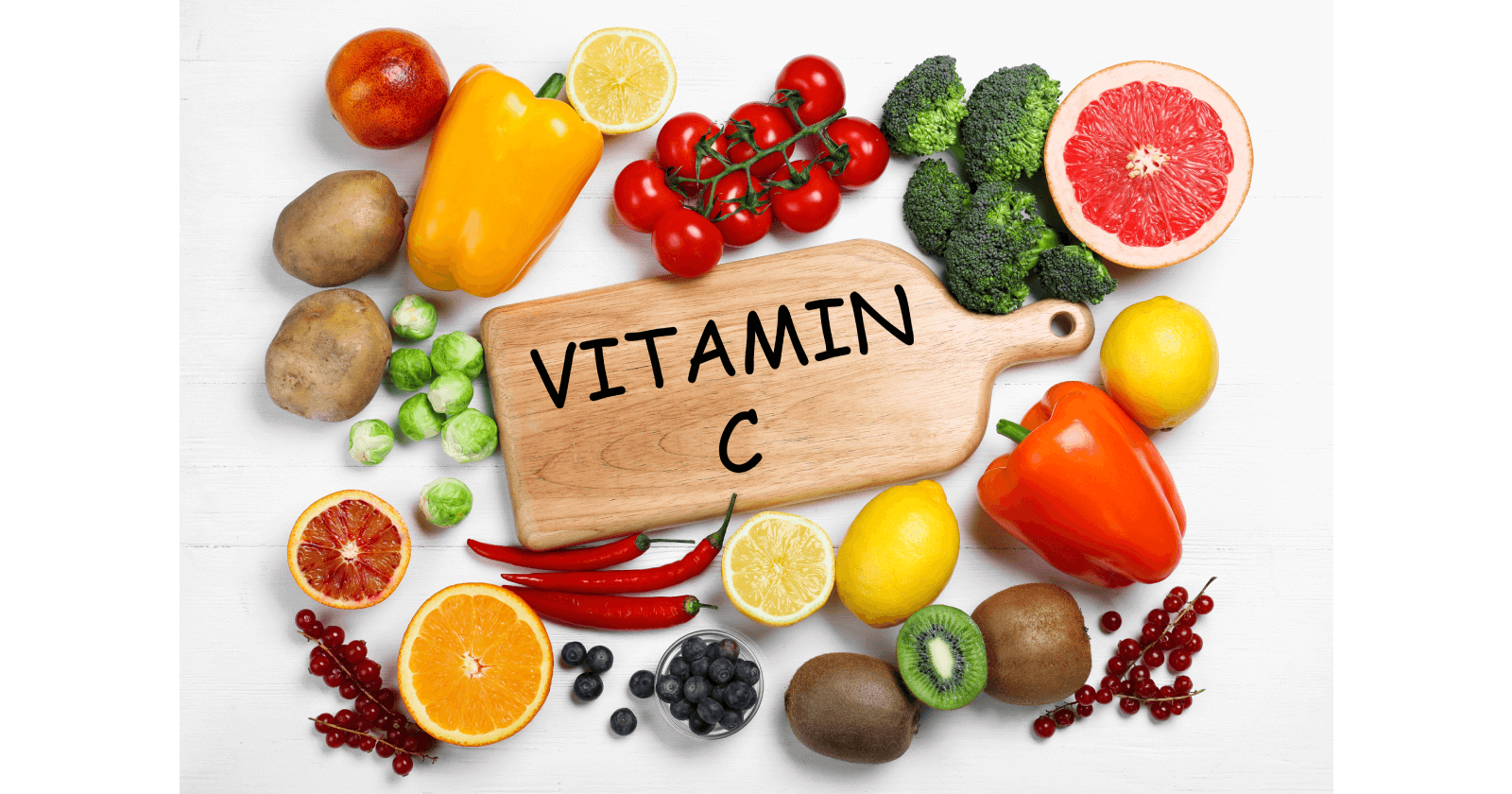
Vitamin C Benefits: More Than Just Immunity
When people think of Vitamin C, they immediately think of immunity — but the truth is, Vitamin C health benefits go far beyond just keeping you safe from infections. From boosting collagen production to supporting heart health, this essential nutrient plays a powerful role in your overall well-being.
In this complete guide, we’ll explore all the major Vitamin C health benefits, how much you need daily, the best natural sources, and whether supplements are necessary. Everything is explained in a simple, easy-to-understand way so you can make smarter choices for your health.
Understanding Vitamin C and Its Importance
Vitamin C, also known as ascorbic acid, is a water-soluble vitamin that your body cannot produce on its own. This means your intake depends entirely on food and supplements. One of the most important Vitamin C health benefits is its role as an antioxidant — it protects your cells from damage caused by free radicals.
You also need Vitamin C for growth, repair of tissues, collagen formation, and proper functioning of the immune system. Without enough Vitamin C, your body becomes more vulnerable to infections, fatigue, and slow wound healing.
Vitamin C Health Benefits for Immunity and Protection
The reason we first think about immunity is because it’s one of the strongest Vitamin C health benefits. Vitamin C enhances the activity of immune cells, helping them respond faster and more efficiently to harmful bacteria and viruses.
People who consume adequate Vitamin C daily are less likely to suffer from severe colds, and even if they do catch one, the duration is shorter. This vitamin also strengthens the skin barrier, your body’s first line of defense against infections.
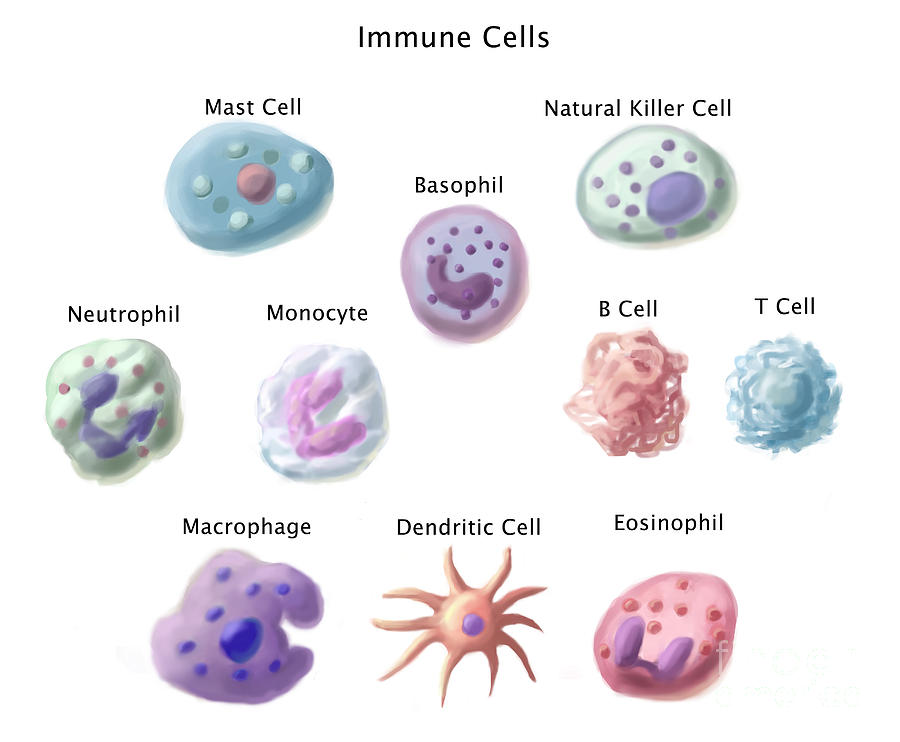
Regular intake of Vitamin C-rich fruits like oranges, kiwi, guava, and strawberries ensures your immune system remains active and strong.
Vitamin C Health Benefits for Skin, Collagen, and Anti-Aging
If you want glowing skin, Vitamin C should be your best friend. One of the most underrated Vitamin C health benefits is collagen production. Collagen keeps your skin firm, elastic, and youthful.
Vitamin C helps repair damaged skin cells, lighten dark spots, and reduce the appearance of wrinkles. It also protects the skin from sun damage and pollution by neutralizing harmful free radicals.
Whether taken through food or applied through serums, Vitamin C helps your skin look healthier and brighter.
Vitamin C Health Benefits for Heart Wellness
Heart health improves significantly with consistent Vitamin C intake. As an antioxidant, Vitamin C reduces inflammation, one of the major contributors to heart disease.
Another major Vitamin C benefits point is its ability to support healthy blood pressure levels. Studies show that individuals with higher Vitamin C intake often have better circulation and lower LDL (bad) cholesterol levels.
When included in daily meals, Vitamin C helps protect the heart from long-term damage caused by oxidative stress.
Vitamin C Health Benefits for Energy and Metabolism
Many people do not realize that Vitamin C supports the production of carnitine, a compound responsible for converting fat into energy. This means one of the surprising Vitamin C benefits is improved metabolism and reduced fatigue.
People with low Vitamin C often feel tired, weak, and low on energy. Getting enough Vitamin C helps your body break down nutrients and use them efficiently for daily activities.
Foods like citrus fruits, bell peppers, tomatoes, and leafy greens can help you maintain consistent energy levels throughout the day.
Vitamin C Health Benefits for Iron Absorption
Iron deficiency is one of the most common nutritional issues worldwide. One of the key Vitamin C health benefits is that it enhances iron absorption, especially non-heme iron (found in plant-based foods).
When you pair Vitamin C with foods like spinach, lentils, or beans, your body absorbs iron more effectively — reducing the risk of anemia. This makes Vitamin C especially important for vegetarians, vegans, and women.
Adding a squeeze of lemon to meals is a simple way to boost iron absorption.
Recommended Daily Intake of Vitamin C
To receive the full range of Vitamin C health benefits, you must consume the right amount daily.
Here’s a quick guide:
- Men: 90 mg/day
- Women: 75 mg/day
- Pregnant women: 85 mg/day
- Smokers: Add 35 mg extra per day
Too much Vitamin C can cause mild digestive issues, but the body naturally removes excess through urine.
Foods Rich in Vitamin C
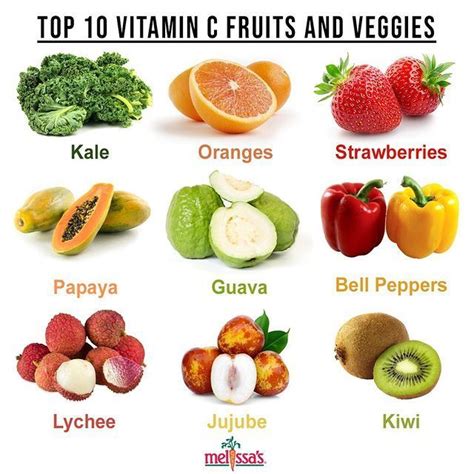
You don’t need supplements to enjoy Vitamin C benefits — most people can meet their needs through food. Excellent sources include:
- Guava
- Oranges and citrus fruits
- Kiwi
- Strawberries
- Pineapple
- Bell peppers
- Tomatoes
- Broccoli
- Kale
- Potatoes
Eating a variety of fruits and vegetables ensures you get enough Vitamin C every day.
Do You Need Vitamin C Supplements?
While food sources are the best way to get Vitamin C benefits, supplements can help in certain cases — such as immune weakness, pregnancy, smoking, slow wound healing, or iron deficiency.
If you choose supplements, stick to recommended limits and avoid mega-doses unless advised by a doctor.
Conclusion
Vitamin C is much more than an immunity booster — it influences your skin, heart, energy levels, collagen, and overall vitality. When you make Vitamin C-rich foods a regular part of your diet, you experience amazing Vitamin C health benefits naturally.
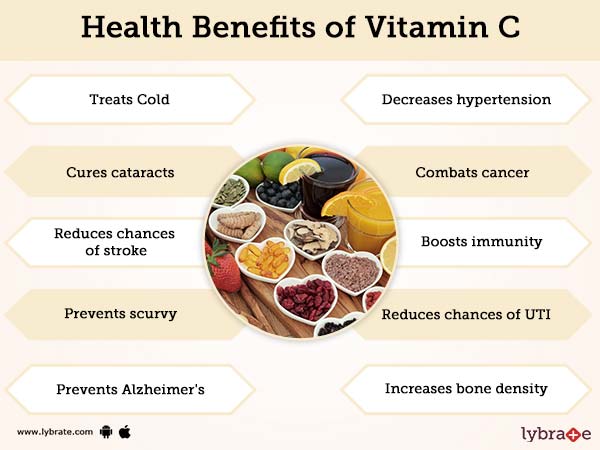
Consistent intake helps protect your cells, fight infections, and support long-term wellness. A balanced, diverse diet is the key to unlocking everything Vitamin C has to offer.
Top 10 Best Searches FAQs About Vitamin C
1. What are the top Vitamin C health benefits?
Vitamin C supports immunity, skin health, collagen production, heart health, and energy metabolism.
2. How much Vitamin C should I take daily?
Most adults need 75–90 mg per day.
3. Can Vitamin C prevent colds?
It may reduce severity and duration but does not fully prevent colds.
4. What foods give the best Vitamin C health benefits?
Guava, citrus fruits, strawberries, kiwi, tomatoes, and bell peppers.
5. Does Vitamin C help with skin whitening?
It helps reduce dark spots and brightens skin by improving collagen repair.
6. Can I take Vitamin C supplements daily?
Yes, within recommended limits.
7. Does Vitamin C help with stress?
It reduces oxidative stress and supports adrenal function.
8. Is too much Vitamin C dangerous?
Very high doses may cause stomach discomfort or diarrhea.
9. Can Vitamin C help with iron deficiency?
Yes, it improves non-heme iron absorption significantly.
10. When is the best time to take Vitamin C?
Morning or with meals for better absorption.
Want more meal plans and recipes? Explore our Protein foods, Micronutrients, Balanced nutrition and Meal plan. Or Visit My YouTube Channel The Nutrition Guides.



Awesome blog.
Great info.
Nice blog.
I like your blog.
Awesome blog.
Great info.
Nice blog.