Food Allergies and Intolerances: Understanding the Basics
food allergies and intolerances
Introduction
Many people confuse food allergies and intolerances, but both conditions affect the body in different ways. Understanding how your body reacts to certain foods can help you make safer eating choices, reduce discomfort, and improve your overall health. Whether you experience digestive issues, skin rashes, or breathing problems after eating certain foods, knowing the difference is important. This guide will help you clearly understand food allergies, their symptoms, causes, treatments, and how to manage them in everyday life.
What Are Food Allergies and Intolerances?
Food allergies are reactions your body has when it cannot properly respond to a specific food. However, the way the body reacts differs greatly.
What Are Food Allergies?
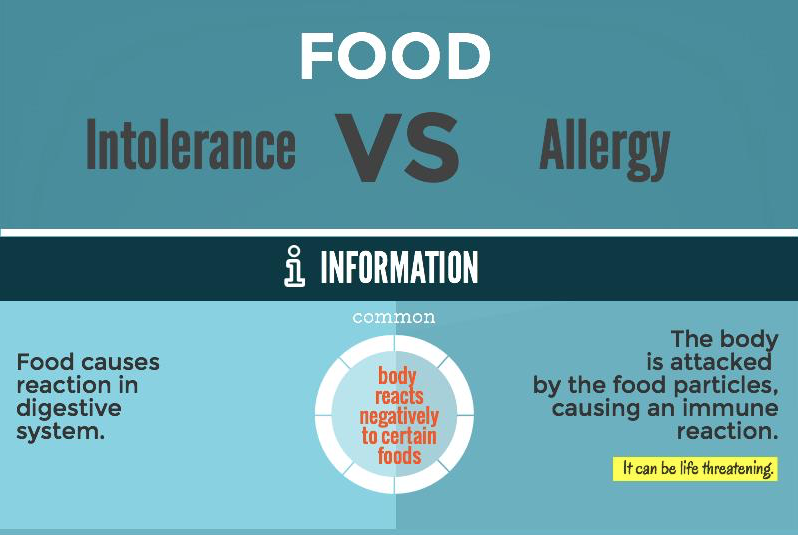
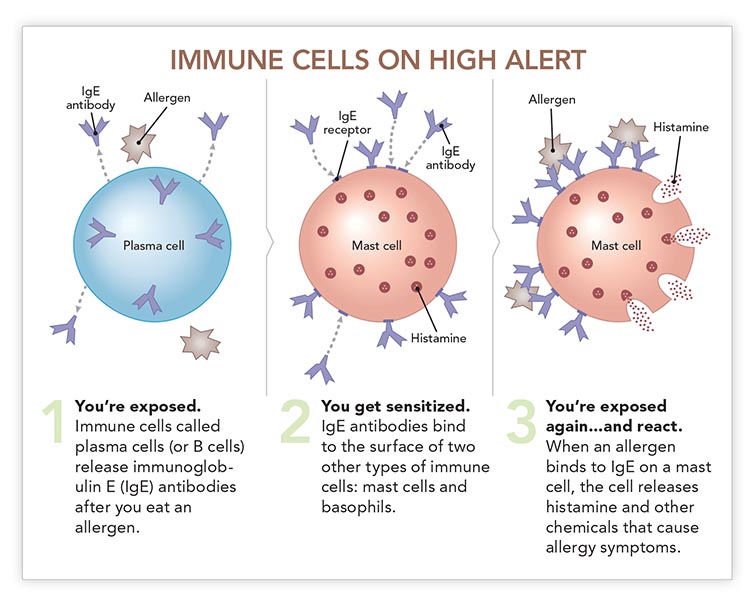
Food allergies involve the immune system. When someone eats a food they are allergic to, the immune system treats it as a dangerous invader. This triggers an immediate reaction that can sometimes be severe.
Common allergens include:
– Peanuts
– Shellfish
– Milk
– Eggs
– Tree nuts
– Wheat
– Soy
What Are Food Intolerances?
Food intolerances do not involve the immune system. They occur when the digestive system has trouble breaking down certain foods. The symptoms are usually uncomfortable but not life-threatening.
Common intolerances include:
– Lactose intolerance
– Gluten intolerance (non-celiac)
– Caffeine sensitivity
– Food additive reactions (like MSG)
Understanding both types of reactions helps you identify whether your symptoms point toward food allergies and intolerances.
Differences Between Food Allergies and Intolerances
Although they may seem similar, the differences are important.
Speed of Reaction
- Food allergies: Symptoms can appear within minutes.
- Food intolerances: Symptoms may take hours or even a full day.
Severity
- Allergies: Can be dangerous or life-threatening.
- Intolerances: Usually uncomfortable but not severe.
Systems Affected
- Allergies: Immune system.
- Intolerances: Digestive system.
Knowing the differences helps you correctly identify food allergies and intolerances in daily life.
Symptoms of Food Allergies and Intolerances
Identifying symptoms is one of the best ways to understand which condition you may have.
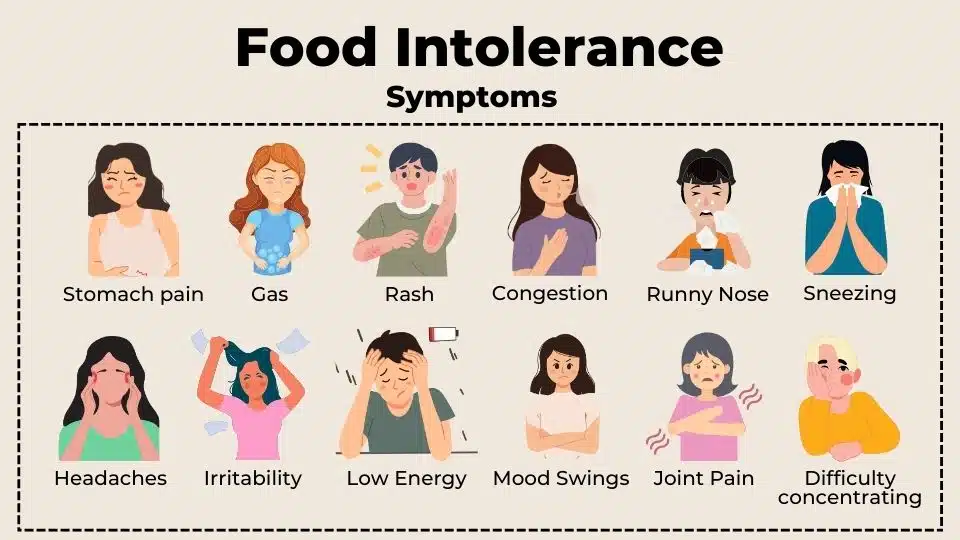
Symptoms of Food Allergies
- Hives
- Swelling of lips or face
- Breathing difficulties
- Vomiting
- Drop in blood pressure
- Anaphylaxis (emergency)
Symptoms of Food Intolerances
- Gas and bloating
- Diarrhea
- Stomach cramps
- Headaches
- Nausea
- Fatigue after eating
If these symptoms appear regularly after certain foods, you may be dealing with food allergies and intolerances.
Causes of Food Allergies and Intolerances
Several factors increase the risk of developing these conditions.
Causes of Food Allergies
- Genetics and family history
- Immune system sensitivity
- Early exposure to allergens
- Other allergic conditions (eczema, asthma)
Causes of Food Intolerances
- Lack of digestive enzymes
- Sensitivity to chemicals in food
- Reactions to food additives
- Stress and gut imbalance
Understanding the causes helps you prevent future food allergies and intolerances.
How Food Allergies and Intolerances Are Diagnosed
Diagnosis is essential for managing both conditions.
Diagnosing Food Allergies
Doctors may use:
- Skin prick tests
- Blood tests
- Oral food challenge
Diagnosing Food Intolerances
- Elimination diet
- Hydrogen breath test
- Food diary tracking
These tests help properly detect food allergies and intolerance.
Best Treatment Options for Food Allergies and Intolerances
Treatment varies depending on whether the reaction is immune-based or digestive-based.
for Food Allergies
- Avoiding trigger foods completely
- Carrying an epinephrine auto-injector (EpiPen)
- Medical supervision for severe cases
for Food Intolerances
- Reducing intake instead of total avoidance
- Using enzyme supplements (like lactase)
- Supporting gut health
- Choosing alternative food options
The right plan can greatly reduce symptoms related to intolerance and food allergies .
Living With Allergies and Intolerance of food
Living with these conditions doesn’t mean you can’t enjoy food.
Tips to Live Safely
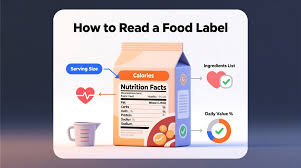
- Always read food labels
- Ask about ingredients when eating out
- Identify safe alternative foods
- Keep a symptom journal
- Work with a dietitian
These practical tips make it easier to manage intolerances.
Common Foods That Trigger Reactions
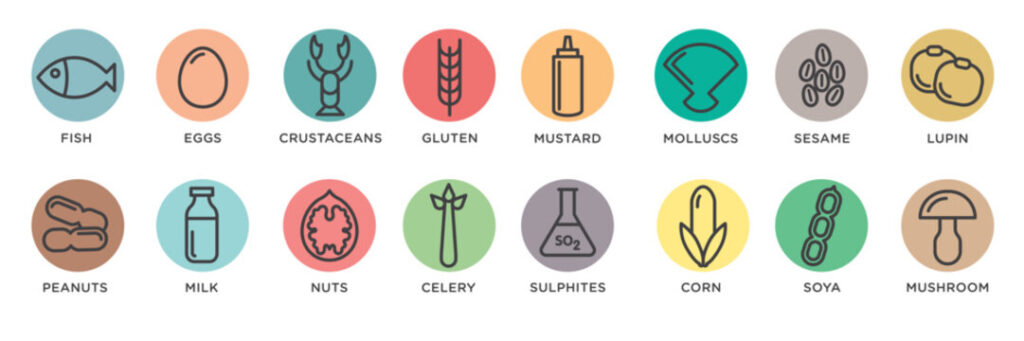
Certain foods are more likely to cause problems.
Foods That Trigger Allergies
- Shellfish
- Peanuts
- Eggs
- Milk
Foods That Trigger Intolerances
- Dairy
- Gluten
- Beans
- Processed foods
Prevention Strategies for Food Allergies
Even though not all reactions can be prevented, some strategies help reduce the risk.
Prevention for Allergies
- Introduce foods to children gradually
- Avoid over-sterilizing environments
- Monitor family allergy history
Prevention for Intolerances
- Improve gut health
- Eat slowly
- Avoid overeating irritating foods
Good prevention practices reduce long-term problems related to food allergies .
Conclusion
Understanding how your body reacts to different foods is essential for maintaining good health. Knowing the difference between food allergies and intolerances helps you avoid harmful reactions, choose safe foods, and improve your overall well-being. With the right diagnosis, treatment, and lifestyle adjustments, you can live confidently while managing your condition.
Top 10 Best Searches FAQs
1. What is the main difference between food allergies and intolerances?
Allergies involve the immune system; intolerances affect digestion.
2. Can food intolerances become allergies?
No, but symptoms can overlap and cause confusion.
3. Are food allergies dangerous?
Yes, they can cause anaphylaxis.
4. Can food intolerances be cured?
Not fully, but symptoms can be managed.
5. How do doctors diagnose food allergies?
Through skin tests, blood tests, and food challenges.
6. Can children outgrow food allergies?
Some may outgrow them, especially milk or egg allergies.
7. What are common intolerance foods?
Dairy, gluten, caffeine, MSG.
8. Can stress worsen food intolerances?
Yes, stress can increase digestive sensitivity.
9. Are food allergies lifelong?
Some are, depending on the allergen.
10. Can probiotics help intolerances?
Yes, they may improve gut health and reduce symptoms.
Want more meal plans and recipes? Explore our Protein foods, Micronutrients, Balanced nutrition and Meal plan. Or Visit My YouTube Channel The Nutrition Guides.