

Balanced Diabetic Meal Plan for Stable Blood Sugar Daily
Balanced Diabetic Meal Plan
Introduction
Managing diabetes effectively requires choosing foods that support stable blood glucose levels throughout the day. A well-structured eating schedule, thoughtful portions, and nutrient-dense meals can make a significant difference in how your body responds. A balanced diabetic meal plan helps regulate energy, prevent spikes, and maintain long-term health. This article explains how to build a sustainable structure, what foods to include, how to control carbs, and how to create meals that nourish without complicating daily life.

Benefits of a balanced diabetic meal plan
A balanced diabetic meal plan provides a structured way to balance carbohydrates, proteins, and fats while supporting optimal blood sugar response. With this approach, you can enjoy meals more confidently, knowing they are aligned with your health goals.
This method also encourages mindful eating, reduces stress around food decisions, and helps maintain consistent daily habits. Whether someone is newly diagnosed or has lived with diabetes for years, a balanced diabetic meal plan offers long-term benefits for energy, weight control, and metabolic stability.
How a balanced diabetic meal plan supports blood sugar
A balanced diabetic meal plan works by dividing meals into predictable portions and distributing carbs throughout the day. This keeps the body from experiencing sharp increases in glucose and helps insulin work more efficiently.
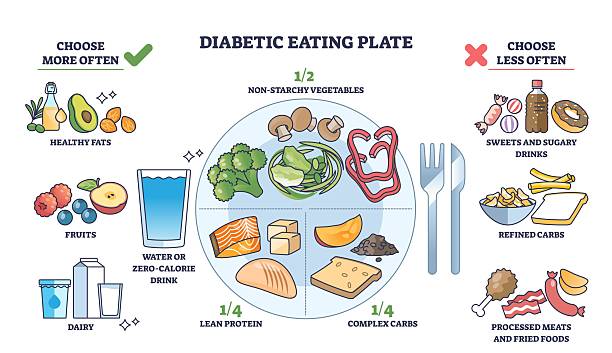
When meals include fiber-rich carbohydrates, lean proteins, healthy fats, and low-glycemic foods, the body digests them more slowly. This allows for steady energy and controlled hunger. Following a balanced diabetic meal plan also reduces the risk of overeating and late-night sugar rises, helping individuals maintain healthier patterns.
Core components of a balanced diabetic meal plan
A balanced diabetic meal plan begins with choosing carbohydrates that digest slowly, such as whole grains, legumes, and vegetables. These foods have a gentle impact on blood sugar and offer greater nutritional value than refined options.
You can also strengthen your routine by prioritizing lean proteins like fish, poultry, tofu, and beans. These support muscle strength and help you stay full longer. Healthy fats — including nuts, seeds, avocados, and olive oil — play an essential role as well. With these elements combined, a balanced diabetic meal plan provides a structured formula that’s easy to follow.
Daily calorie and carbohydrate targets
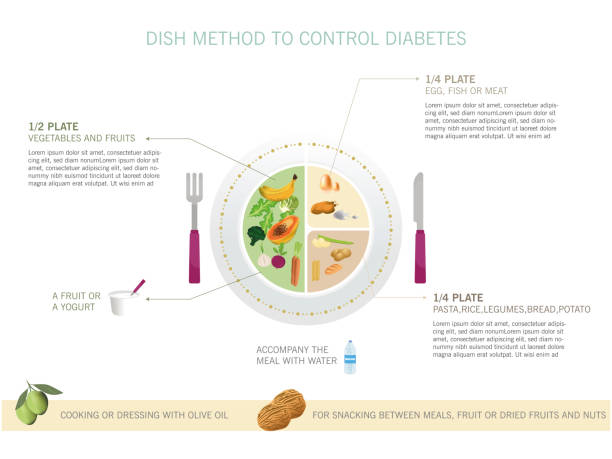
Understanding calorie needs helps create meals that fuel the body without exceeding energy requirements. Your daily targets may differ depending on your weight, age, activity level, and medical guidance. A helpful strategy is to divide carbs evenly throughout meals. This ensures the body receives a steady supply of energy. Many individuals find that adding one serving of complex carbs per meal helps maintain blood sugar stability and keeps the balanced diabetic meal plan consistent throughout the day.
Sample 7-Day Meal Schedule
Creating a weekly routine makes healthy eating easier to maintain. Below is a simple plan that aligns with the principles of a balanced diabetic meal plan, offering nutrient-rich foods that support blood sugar balance.
Breakfast Ideas
- Oatmeal topped with chia seeds and raspberries
- Whole-grain toast with avocado and a boiled egg
- Greek yogurt with nuts and blueberries
Lunch Ideas
- Grilled chicken salad with olive oil dressing
- Lentil soup with a whole-grain roll
- Turkey wrap with vegetables and hummus
Dinner Ideas
- Baked salmon with quinoa and steamed broccoli
- Stir-fried tofu with vegetables
- Lean beef with roasted vegetables and brown rice
Snacks
- Almonds
- Cottage cheese
- Apple slices with peanut butter
Foods to include and avoid
To make meals more effective, choose foods that support slow digestion and long-lasting energy. Items rich in fiber, antioxidants, vitamins, and minerals are ideal for supporting daily blood sugar balance. Fresh vegetables, whole grains, nuts, seeds, lean proteins, and low-glycemic fruits help reinforce the structure of a balanced diabetic meal plan.

On the other hand, foods like sugary drinks, refined grains, processed snacks, and high-fat fast foods can lead to unpredictable spikes. Limiting these items keeps your routine much easier to maintain.
Practical tips for everyday success
Success with any nutrition strategy requires consistent habits. Planning meals ahead of time, preparing ingredients in bulk, and eating at the same times each day helps stabilize your internal clock. Consider carrying healthy snacks when traveling so you avoid impulsive choices. Drinking enough water, sleeping well, and tracking meals can also help your balanced diabetic meal plan deliver better long-term results.

Conclusion
Following a structured eating routine makes it easier to manage blood sugar, maintain energy levels, and support your overall health. A balanced diabetic meal plan gives you a straightforward way to create nourishing meals without overthinking the process. With mindful choices, simple habits, and a clear understanding of what your body needs, you can enjoy food with confidence and composure every day.
Top 10 Best Searched FAQs on Diabetic Meal Planning
1. What foods help keep blood sugar stable throughout the day?
Foods rich in fiber, lean protein, and healthy fats help maintain steady blood sugar levels.
2. How many meals should a diabetic eat daily?
Most people benefit from three balanced meals with one or two healthy snacks.
3. Are carbohydrates bad for diabetics?
Not at all — complex, high-fiber carbs are helpful but should be portion-controlled.
4. Can a diabetic eat fruit daily?
Yes, low-glycemic fruits like berries, apples, and pears are excellent choices.
5. Is intermittent fasting safe for diabetics?
It depends on your medical condition; always consult your healthcare provider.
6. What is the best breakfast for diabetics?
Whole grains, protein, and low-glycemic fruit create a balanced start.
7. How important is portion control?
Portion control prevents overeating and helps regulate blood sugar.
8. Should diabetics avoid all fats?
No — healthy fats like nuts and olive oil are beneficial.
9. Is low-carb the same as diabetic-friendly eating?
Not necessarily; diabetic-friendly eating focuses on balance, not extremes.
10. Can diabetics enjoy occasional treats?
Yes, in moderation and when planned within the day’s carb allowance.
Want more meal plans and recipes? Explore our Protein foods, Micronutrients, Balanced nutrition and Meal plan. Or Visit My YouTube Channel The Nutrition Guides.