

How To Create A Balanced Gym Routine: Strength + Cardio + Flexibility
A strong and healthy body doesn’t come from focusing on just one type of workout. To improve strength, endurance, mobility, and overall fitness, you need a balanced gym routine plan that gives equal importance to strength training, cardiovascular exercise, and flexibility work.
Today’s fast-paced lifestyle encourages quick fixes and inconsistent workouts, but long-term fitness requires structure. A balanced gym routine plan helps you exercise smartly, prevent injuries, and reach your fitness goals efficiently — whether you want to build muscle, lose weight, or stay active.
This article breaks down the essential components of a balanced gym plan, how to organize your weekly schedule, and what exercises to include for the best results.
Why You Need a Balance Gym Routine Plan
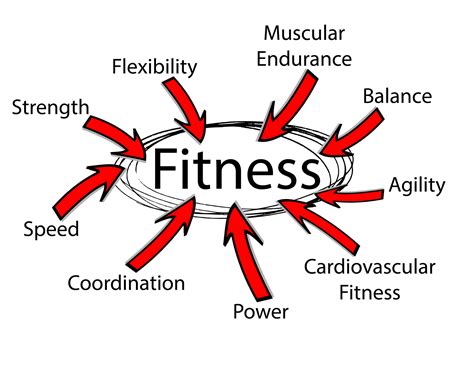
Many people stick to only one type of exercise — either lifting weights or doing cardio. But your body thrives when you challenge it in multiple ways. A well-designed balanced gym routine plan ensures well-rounded development, better stamina, improved mobility, and reduced risk of burnout.
A combination of strength, cardio, and flexibility gives you:
- Better muscle strength and tone
- Improved heart and lung performance
- Enhanced joint health and mobility
- Faster recovery and better movement patterns
- Efficient fat-burning and stable energy levels
A balanced gym routine plan gives your body everything it needs to function at its best.
The Three Pillars of a Balanced Gym Routine Plan
To create a complete training approach, your routine must include:
- Strength training for muscle and bone health
- Cardio training for endurance and heart health
- Flexibility and mobility work for injury prevention
These three elements form the foundation of a balanced gym plan. Ignoring even one creates imbalance in your progress.
Strength Training: The Core of Your Balanced Gym Plan

Strength training builds lean muscle, improves posture, supports metabolism, and strengthens your bones. It’s a key part of a balanced gym plan, because muscle is your body’s engine — it burns calories, supports daily movement, and protects your joints.
Best Strength Exercises to Include:
- Squats
- Deadlifts
- Bench press
- Pull-ups or lat pulldowns
- Shoulder press
- Dumbbell rows
- Lunges
Tips for Strength Training Success:
- Train major muscle groups 2–3 times per week
- Use progressive overload (increase weight slowly over time)
- Rest 1–2 minutes between sets
- Focus on proper form rather than heavy weights
Including these exercises ensures your balanced gym plan stays effective and safe.
Cardio Training: Essential for Heart Health and Endurance
Cardio strengthens your cardiovascular system, boosts stamina, and helps burn calories. Many people avoid cardio or overdo it, but a balanced gym plan includes just the right amount for optimal fitness.
Types of Cardio to Include:
- Walking or brisk walking
- Jogging or running
- Cycling
- Rowing
- Swimming
- Elliptical training
- Jump rope
How Much Cardio Do You Need?
- Beginner: 20–30 minutes, 3–4 days a week
- Intermediate: 30–45 minutes, 4–5 days a week
- Advanced: Mix HIIT and steady-state for 45+ minutes
Cardio fits naturally into a balanced gym plan, improving endurance without taking away energy for strength workouts.
Flexibility & Mobility: The Often Ignored Part of a Balanced Gym Plan
Flexibility and mobility exercises improve joint health, reduce stiffness, support proper form, and help you move better in strength and cardio workouts. Without flexibility work, your balanced gym routine plan is incomplete.
Types of Flexibility Work:
- Static stretching
- Dynamic stretching
- Yoga
- Mobility drills (hips, shoulders, spine)
- Foam rolling
Benefits:
- Fewer injuries
- Better posture
- Improved range of motion
- Faster recovery
- Reduced muscle tightness
Spending even 10 minutes per session improves the effectiveness of your balanced gym plan dramatically.
How to Structure a Weekly Balanced Gym Routine Plan
A perfect balanced gym routine plan includes all three components throughout the week. Here’s a simple 5-day structure:
Day 1: Strength — Upper Body
Day 2: Cardio — Moderate Intensity
Day 3: Strength — Lower Body
Day 4: Cardio — High Intensity or Steady State
Day 5: Flexibility & Mobility + Light Strength
Day 6: Optional Light Activity (walking, stretching)
Day 7: Rest and Recovery
This structure keeps your balanced gym routine plan organized, effective, and easy to follow.
Beginner-Friendly Balanced Gym Routin Plan
If you’re new to the gym, start simple:
Day 1: Full-body strength (machines or dumbbells)
Day 2: 25-minute cardio
Day 3: Rest or stretching
Day 4: Full-body strength
Day 5: Low-intensity cardio
Day 6: Yoga or mobility
Day 7: Rest
This beginner schedule introduces you to all the elements of a balanced gym plan without overwhelming your body.
Intermediate Balanced Gym Routine Plan for Faster Progress
Once you’re comfortable, try:
Day 1: Upper body strength
Day 2: Steady-state cardio
Day 3: Lower body strength
Day 4: HIIT cardio
Day 5: Mobility + core workout
Day 6: Light cardio or walking
Day 7: Rest
This version of a balanced gym routin plan challenges your muscles and cardiovascular system evenly.
Nutrition Tips to Support Your Balanced Gym Plan

Training alone isn’t enough — your body needs fuel.
Follow these nutrition tips:
- Eat protein with every meal
- Hydrate throughout the day
- Focus on whole foods over processed foods
- Consume complex carbs before workouts
- Get enough healthy fats for hormone balance
Proper nutrition makes your balanced gym plan more successful and improves recovery.
Common Mistakes That Break a Balance Gym Routin Plan
Avoid these errors to stay on track:
- Overtraining without rest
- Skipping warm-ups and cool-downs
- Doing only cardio or only weights
- Not following a schedule
- Poor nutrition and hydration
Fixing these mistakes keeps your balanced gym plan productive and injury-free.
Signs Your Balanced Gym Routine Plan is Working
You’ll know you’re progressing if you notice:
- More energy throughout the day
- Better-quality sleep
- Increased strength
- Improved stamina
- Better flexibility
- Reduced muscle soreness
- A consistent workout habit forming
These improvements show your balance routine plan is delivering results.
Conclusion

Creating a balanced gym routine plan is one of the most effective ways to improve your fitness, build strength, boost cardiovascular health, and prevent injuries. By combining strength training, cardio, and flexibility into a simple weekly structure, you train smarter and make steady progress.
You don’t need long hours or complicated programs — just consistency, good form, and a plan that includes all three essential components. A balanced gym plan builds a healthier, stronger, and more active version of you.
Top 10 Best FAQs About a Balanced Gym Routine Plan
Q1: How many days a week should I follow a balanced gym routine plan?
A: Aim for 4–5 days a week for best results.
Q2: Does a balanced gym routine plan help with weight loss?
A: Yes, combining strength, cardio, and flexibility burns fat efficiently.
Q3: How long should each workout session be?
A: 45–60 minutes is ideal for most people.
Q4: Can beginners follow a balanced gym routine plan?
A: Absolutely — just start with lighter weights and simple exercises.
Q5: Should I do cardio before or after strength training?
A: Strength first, then cardio, for better energy and muscle performance.
Q6: How important is stretching in a balanced gym routine plan?
A: Very important — it prevents injuries and improves mobility.
Q7: Can I follow this plan at home without equipment?
A: Yes, many bodyweight alternatives can replace gym machines.
Q8: What should I eat before a workout?
A: Complex carbs and light protein — such as bananas, oats, or yogurt.
Q9: How do I know if I’m overtraining?
A: Excess fatigue, poor sleep, and slow recovery are warning signs.
Q10: How soon will I see results from a balanced gym routine plan?
A: Most people notice improvements within 4–6 weeks of consistency.
Want more meal plans and recipes? Explore our Protein foods, Micronutrients, Balanced nutrition and Meal plan. Or Visit My YouTube Channel The Nutrition Guides.