Best Natural Sources of Vitamin B12 for Health
Natural Sources of Vitamin B12
Best Natural Sources of Vitamin B12
Vitamin B12, also known as cobalamin, is an essential nutrient that plays a vital role in keeping our body healthy. It is crucial for red blood cell formation, nerve function, and DNA production. Unlike many vitamins that our body can produce or store in large amounts,Natural Sources of Vitamin B12 must be obtained mainly from food sources. Unfortunately, deficiency in this vitamin is quite common, especially among vegetarians, vegans, and older adults.
In this article, we will explore the Natural Sources of Vitamin B12, their health benefits, and how you can include them in your daily diet.
Why Vitamin B12 is Important for Health
Before discussing the Natural Sources of Vitamin B12, it is important to understand why our body needs it. Vitamin B12 supports multiple functions such as:
- Helping in the production of red blood cells
- Preventing megaloblastic anemia
- Supporting the nervous system
- Boosting energy levels and mood
- Assisting in brain health and memory
- Supporting heart health by lowering homocysteine levels
Without enough Vitamin B12, people can feel fatigued, weak, or even experience neurological problems.
Recommended Daily Intake of Natural Sources of Vitamin B12
The amount of Vitamin B12 you need depends on age, lifestyle, and health conditions. On average:
- Adults: 2.4 mcg per day
- Pregnant women: 2.6 mcg per day
- Breastfeeding women: 2.8 mcg per day
Getting this recommended dose from the Natural Sources of Vitamin B12 ensures your body functions properly.
Animal-Based Natural Sources of Vitamin B12
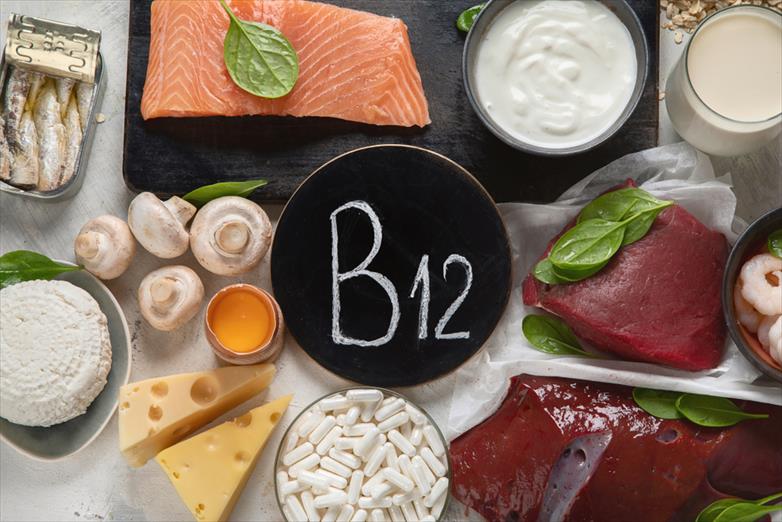
Animal products are the richest Natural Sources of Vitamin B12, making them the easiest way to prevent deficiency.
Fish and Seafood
Fish and shellfish are excellent Natural Sources of Vitamin B12. Salmon, tuna, sardines, trout, and clams are especially rich in this nutrient. Clams are considered one of the top sources as a small portion can provide more than 1,000% of the daily recommended intake.
Meat and Poultry
Beef, chicken, turkey, and lamb are good Natural Sources of Vitamin B12. Organ meats such as liver and kidney are particularly nutrient-dense. For example, beef liver is packed with Vitamin B12 and is one of the best foods for people with deficiency.
Eggs
Eggs are another good way to get Vitamin B12, particularly the yolk. They also provide protein, healthy fats, and other essential nutrients.
Dairy Products
Milk, yogurt, and cheese are widely available Natural Sources of Vitamin B12. These foods are especially helpful for vegetarians who consume dairy but avoid meat.
Plant-Based Options and Fortified Foods
Vitamin B12 is naturally found in animal products, so strict vegans may struggle to get enough from food alone. However, some plant-based and fortified options can help.
Fortified Plant Milks
Soy milk, almond milk, and oat milk often come fortified with Vitamin B12. These options provide a great alternative for vegans to get their daily dose.
Fortified Cereals
Breakfast cereals are commonly enriched with Vitamin B12, making them convenient Natural Sources of Vitamin B12 for those who don’t consume meat or dairy.
Nutritional Yeast
This vegan-friendly ingredient is often fortified with Vitamin B12. It has a cheesy flavor and can be sprinkled on pasta, salads, and popcorn.
Health Benefits of Getting Enough Natural Sources of Vitamin B12
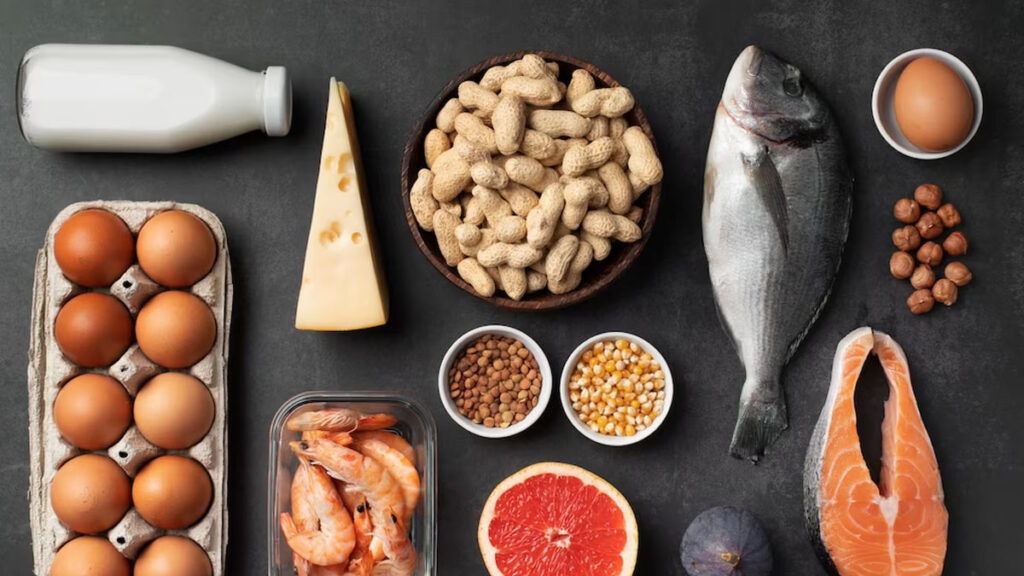
When you regularly consume Natural Sources of Vitamin B12, you can enjoy multiple health benefits:
- Improved energy and reduced fatigue
- Better memory and concentration
- Healthy skin, hair, and nails
- Lower risk of depression and anxiety
- Stronger immunity
- Reduced risk of anemia
Signs and Symptoms of Vitamin B12 Deficiency
Even though the body stores Vitamin B12 for years, deficiency can occur if your diet lacks Natural Sources of Vitamin B12. Common symptoms include:
- Constant tiredness and weakness
- Pale or yellowish skin
- Numbness or tingling in hands and feet
- Difficulty walking or balancing
- Memory loss or confusion
- Mood swings or depression
If you experience these symptoms, it is important to consult a doctor.
Best Diet Plan for Vitamin B12
To maintain healthy levels, try including these Natural Sources of Vitamin B12 in your weekly diet:
- 2 servings of fish or seafood
- 3–4 servings of dairy products like milk or cheese
- 2–3 eggs per week
- Fortified cereals or plant-based milk for vegans
- Occasional liver or organ meats for higher nutrient boost
Cooking Tips to Preserve Vitamin B12
Since Vitamin B12 is sensitive to heat, overcooking food can reduce its levels. Here are some tips:
- Steam or bake fish instead of deep frying
- Use low heat when cooking eggs
- Prefer boiling or slow cooking over grilling
- Store dairy products properly to preserve freshness
Supplements vs. Natural Food Sources
While supplements are available, nutritionists recommend Natural Sources of Vitamin B12 whenever possible. Supplements may be necessary for vegans, people with absorption problems, or the elderly. However, whole foods provide additional nutrients along with Vitamin B12.
Conclusion
Vitamin B12 is a powerhouse nutrient that supports energy, brain function, and overall health. Deficiency can lead to serious health issues, so including enough Natural Sources of Vitamin B12 in your diet is essential. Whether through animal products, fortified plant-based foods, or supplements when needed, maintaining the right levels will help you live a healthier life.
Top 10 Best Searched FAQs
1. What are the best Natural Sources of Vitamin B12?
Fish, meat, dairy, eggs, and fortified foods like cereals and plant-based milks.
2. Can vegetarians get Vitamin B12 naturally?
Yes, from dairy and eggs. Vegans usually rely on fortified foods or supplements.
3. Is fish a good source of Vitamin B12?
Yes, especially salmon, trout, tuna, sardines, and clams.
4. Which fruit is rich in Vitamin B12?
Fruits do not naturally contain Vitamin B12. Fortified foods are better options.
5. How do vegans get Vitamin B12?
Mainly from fortified plant milks, cereals, and nutritional yeast.
6. Can Vitamin B12 deficiency cause hair loss?
Yes, deficiency can weaken hair health and cause thinning.
7. What are the daily requirements for Vitamin B12?
Adults need about 2.4 mcg daily, higher amounts for pregnant or breastfeeding women.
8. Are eggs enough for Vitamin B12?
Eggs provide some Vitamin B12, but not enough alone. Combine with other foods.
9. Do nuts have Vitamin B12?
No, nuts do not contain Vitamin B12 naturally.
10. Which vitamin works with Vitamin B12?
Vitamin B12 works closely with folate (Vitamin B9) to support blood and nerve health.
Want more meal plans and recipes? Explore our Protein foods, Micronutrients, Balanced nutrition and Meal plan. Or Visit My YouTube Channel The Nutrition Guides.