How to Build a Balanced Plate for Better Health
Build a balanced plate
How to Build a Balanced Plate: The Portion Guide You Need
Creating a healthy lifestyle starts with what’s on your plate. But in a world of oversized portions and diet confusion, knowing how to build a balanced plate can be a game-changer. It’s not about restricting food — it’s about creating harmony among nutrients, colors, and portion sizes that fuel your body the right way.
In this article, we’ll walk you through the science and simplicity of how to build a balanced plate — one that supports energy, satisfaction, and long-term wellness.
Why It’s Important to Build a Balanced Plate
When you build a balanced plate, you’re ensuring your body gets the right mix of carbohydrates, proteins, fats, vitamins, and minerals. Eating in balance prevents nutrient deficiencies, stabilizes blood sugar, and helps with healthy weight maintenance.
Instead of counting calories, this method helps you focus on proportions — what your body truly needs to thrive.
Balanced eating also boosts digestion, improves energy, and reduces cravings. Once you master it, you’ll never feel the need for fad diets again.
The Ideal Plate Breakdown
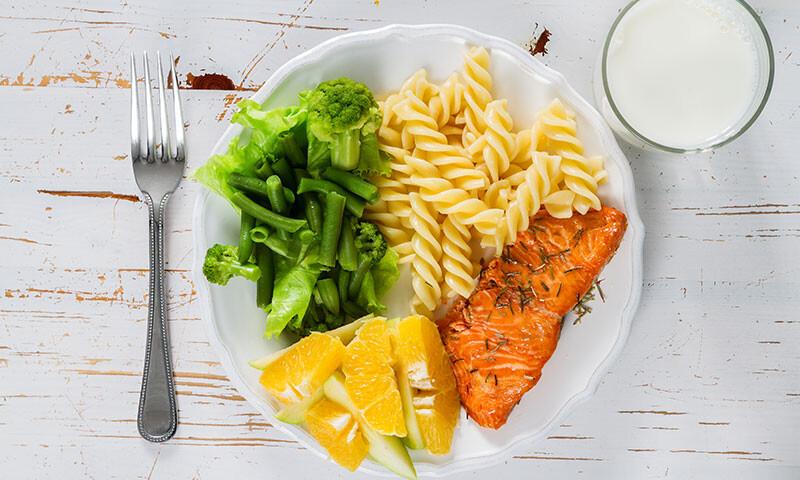
Nutrition experts, including the USDA and WHO, recommend a simple visual formula to build a balanced plate:
- ½ Plate: Vegetables and Fruits
- ¼ Plate: Lean Protein
- ¼ Plate: Whole Grains or Healthy Carbs
This visual method makes portion control effortless and ensures your body receives diverse nutrients at every meal.
Step 1: Fill Half Your Plate with Vegetables and Fruits
The foundation of how to build a balanced plate starts with colorful produce. Fruits and vegetables are rich in vitamins, minerals, fiber, and antioxidants.
Focus on variety — leafy greens like spinach or kale, bright veggies like carrots and peppers, and seasonal fruits such as apples, berries, or oranges.
Pro Tip: Include at least one raw and one cooked vegetable at lunch and dinner for better digestion and satiety.
Step 2: Add Lean Protein for Strength
Protein is essential for repairing tissues, supporting muscle growth, and keeping you full longer. When you build a balanced plate, dedicate one-quarter to protein sources.
Choose from lean options such as chicken, fish, tofu, beans, eggs, or lentils. These foods stabilize blood sugar and help control cravings throughout the day.
Smart Tip: If you’re vegetarian, combine plant-based proteins like beans with whole grains (e.g., rice and lentils) for a complete amino acid profile.
Step 3: Include Whole Grains or Complex Carbs
Many people fear carbs, but when you build a balanced plate, healthy carbohydrates are crucial. They provide energy and essential nutrients like fiber, B vitamins, and minerals.
Opt for whole grains like brown rice, quinoa, oats, or whole-wheat pasta instead of refined white bread or sugary cereals.
Pro Tip: Keep your carb portion roughly the size of your clenched fist — this is a great visual guide for everyday meals.
Step 4: Don’t Forget Healthy Fats
No balanced plate is complete without healthy fats. Fats help absorb vitamins (A, D, E, K), support brain health, and give meals satisfying flavor.
When you build a balanced plate, add healthy fats like avocado, olive oil, nuts, seeds, or fatty fish such as salmon.
Quick Tip: A drizzle of olive oil on veggies or a sprinkle of seeds on salad enhances both taste and nutrition.
Step 5: Pay Attention to Portion Sizes
Portion control is the secret ingredient to successfully build a balanced plate. Even healthy foods can lead to weight gain if eaten in excess.
Here’s a simple hand-based portion guide:
- Protein: size of your palm
- Carbs: size of your fist
- Fats: size of your thumb
- Veggies: fill both cupped hands
This easy visual system works anywhere — at home, restaurants, or even when traveling.
Step 6: Stay Hydrated and Mindful
Hydration is often overlooked but crucial when learning how to build a balanced plate. Water aids digestion and prevents overeating. Sometimes, thirst is mistaken for hunger.
Drink a glass of water before each meal, and aim for at least 8 glasses a day. Avoid sugary drinks that add unnecessary calories.
Mindful Eating Tip: Eat slowly, chew thoroughly, and savor flavors. This improves digestion and helps your brain recognize fullness.
Step 7: Add Color and Variety
A vibrant plate is a healthy plate! When you build a balanced plate, think in colors — each hue represents different nutrients:
- Red: heart-protective antioxidants (tomatoes, strawberries)
- Green: detoxifying compounds (broccoli, spinach)
- Orange/Yellow: vitamin A and C (carrots, mangoes)
- Purple/Blue: brain-boosting anthocyanins (blueberries, eggplant)
Eating the rainbow ensures your body gets a complete nutrient spectrum.
Step 8: Adjust According to Your Lifestyle
Your balanced plate may differ based on your goals. If you’re highly active, increase protein and complex carbs. If you’re sedentary or aiming for weight loss, reduce carb portions slightly.
The beauty of learning to build a balanced plate is its flexibility — you can customize it to fit your needs, preferences, and dietary restrictions.
Example:
- For athletes: add extra whole grains and nuts.
- For weight management: prioritize vegetables and lean proteins.
Step 9: Plan Ahead for Success
Consistency is key when trying to build a balanced plate daily. Meal prepping helps you stay organized and prevents last-minute unhealthy choices.
Plan your meals for the week, chop veggies in advance, and store cooked grains or proteins in containers. This ensures balanced options are always ready.
Tip: Keep healthy snacks like nuts, fruits, or yogurt handy to avoid impulsive junk food eating.
Step 10: Balance Doesn’t Mean Perfection
Finally, remember that balance doesn’t mean every meal must be perfect. When you build a balanced plate, it’s about overall patterns, not one-time meals.
Enjoy occasional treats guilt-free — what matters is consistency and awareness over time. A balanced lifestyle is sustainable because it allows flexibility and enjoyment.
Conclusion
Learning how to build a balanced plate is the foundation of lifelong nutrition. It’s not a strict diet, but a sustainable eating approach that promotes health, energy, and satisfaction.
When you fill half your plate with vegetables, add lean proteins, include whole grains, and finish with healthy fats, your body naturally thrives.
Start small — one balanced plate at a time — and you’ll soon notice improvements in your energy, focus, and overall well-being.
Top 10 Best FAQs About Building a Balanced Plate
Q1: What is the best way to build a balanced plate?
A: Divide your plate into half vegetables/fruits, one-quarter protein, and one-quarter whole grains for optimal nutrition.
Q2: Can I build a balanced plate if I’m vegetarian or vegan?
A: Absolutely! Combine plant proteins (beans, lentils, tofu) with whole grains and veggies for complete nutrition.
Q3: How does building a balanced plate help with weight loss?
A: It promotes portion control, stabilizes blood sugar, and reduces overeating naturally — without crash dieting.
Q4: Should I include fats when I build a balanced plate?
A: Yes, healthy fats like avocado, nuts, and olive oil are essential for heart and brain health.
Q5: How often should I build a balanced plate in a day?
A: Aim for 3 main balanced meals and 1–2 healthy snacks daily to maintain steady energy levels.
Q6: Can I build a balanced plate when eating out?
A: Yes! Choose grilled proteins, ask for veggies instead of fries, and watch portion sizes.
Q7: Is rice allowed when I build a balanced plate?
A: Yes, opt for brown rice or quinoa in moderate portions — they’re nutrient-dense and fiber-rich.
Q8: How can kids learn to build a balanced plate?
A: Make it fun — use colorful foods, creative plating, and involve them in meal prep to build habits early.
Q9: What are common mistakes when trying to build a balanced plate?
A: Overloading carbs, skipping veggies, or forgetting healthy fats are the most common ones.
Q10: Can building a balanced plate improve my digestion?
A: Definitely! Fiber-rich veggies and whole grains support a healthy gut and smoother digestion.
Want more meal plans and ACrecipes? Explore our Protein foods, Micronutrients, Balanced nutrition and Meal plan. Or Visit My YouTube Channel The Nutrition Guides.