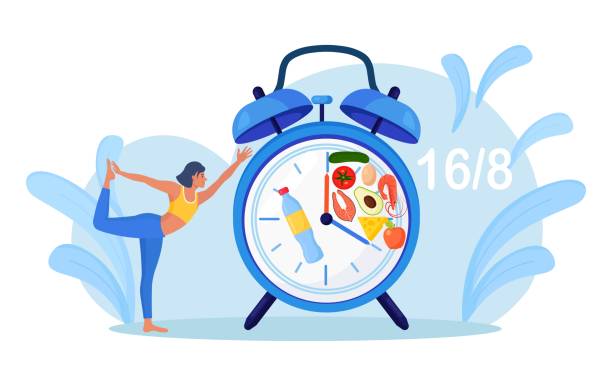
Intermittent Fasting Weight Loss: Does It Really Work?
intermittent fasting weight loss
Introduction
Intermittent fasting weight loss has become one of the most talked-about approaches for people wanting to shed fat naturally. Instead of focusing on what you eat, intermittent fasting focuses on when you eat — giving your body enough time to burn stored energy efficiently. Many people claim it boosts metabolism, improves energy, and supports long-term fat reduction without strict dieting.
But does intermittent fasting weight loss truly work for everyone? And how does it compare to traditional diet methods? In this complete guide, we break down the science, benefits, schedules, and expert-backed strategies so you can decide whether this eating pattern matches your lifestyle.
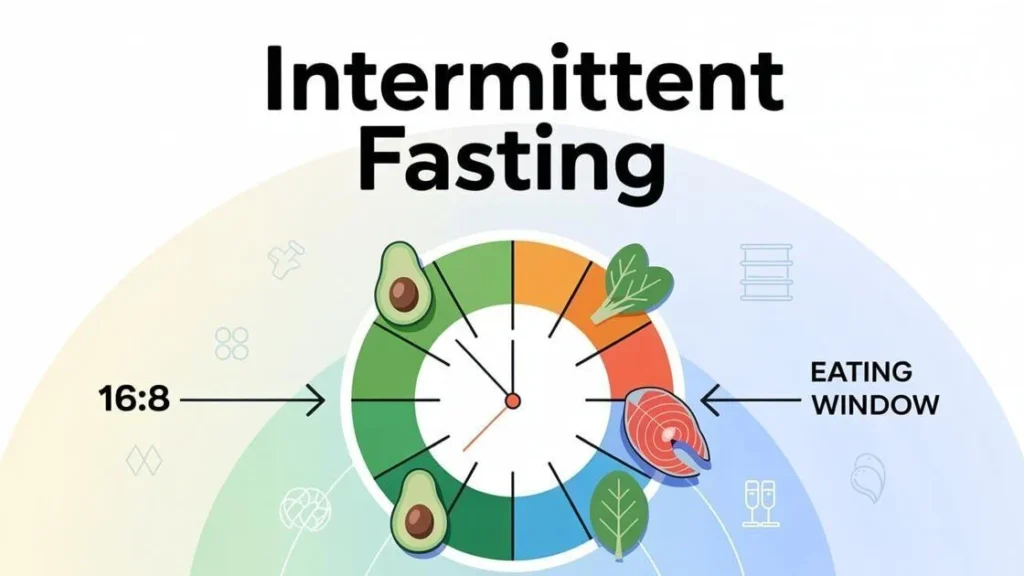
Let’s explore everything you need to know.
What Is Intermittent Fasting?
Intermittent fasting is an eating pattern that cycles between fasting periods and eating windows. Instead of counting calories, you structure your day or week into specific time blocks. This simple structure makes intermittent fasting weight loss appealing because it reduces overeating and supports natural fat burning.
Most people follow daily fasting schedules, but others prefer weekly patterns. No matter the method, the main goal remains the same: help the body access stored fat more effectively.
How Intermittent Fasting Weight Loss Works
Intermittent fasting weight loss works through several physiological processes:
Lower Insulin Levels
When you fast, insulin drops significantly. Low insulin makes it easier for the body to burn stored fat.
Increased Fat Burning
Fasting increases norepinephrine, a hormone that boosts metabolism and stimulates fat breakdown.
Calorie Control Without Dieting
Shorter eating windows naturally reduce calorie intake without forcing you to avoid your favorite foods.
Better Growth Hormone Production
Growth hormone rises during fasting, helping with fat burning and muscle preservation.
These combined effects make intermittent fasting weight loss more sustainable than aggressive diets.
Popular Fasting Schedules to Try
There are several ways to practice intermittent fasting. The key is choosing a method that fits your lifestyle.
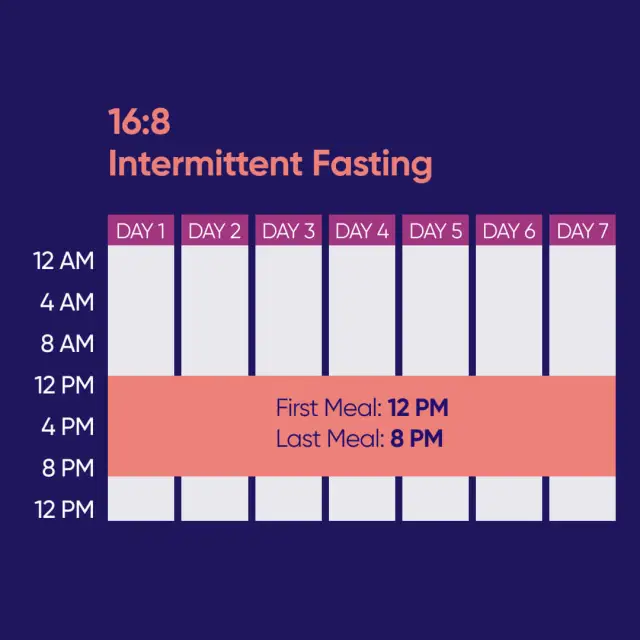
16:8 Method
Fast for 16 hours, eat within an 8-hour window.
Example: Eat from 12 PM to 8 PM.
14:10 Method
Fast for 14 hours and eat within 10.
Great for beginners.
18:6 Method
A more advanced version that shortens eating time.
5:2 Method
Eat normally for 5 days, consume 500–600 calories on 2 days.
OMAD (One Meal a Day)
Very restrictive — not recommended for beginners.
Not required for intermittent fasting weight loss to work.
The most science-supported choices are 16:8 and 14:10, offering results without high stress.
Benefits of Intermittent Fasting Weight Loss
Intermittent fasting offers several scientifically backed benefits beyond fat loss.
Reduces Belly Fat
Targeting abdominal fat becomes easier when insulin stays low for long hours.
Improves Digestion
Your digestive system gets a break, which reduces bloating.
Supports Blood Sugar Balance
Fasting improves insulin sensitivity and reduces sugar spikes.
Boosts Mental Focus
Many people feel sharper and more energetic while fasting.
Encourages Long-Term Sustainable Eating
No calorie counting. No complicated meal plans.
Intermittent fasting weight loss becomes more manageable this way.
Best Foods to Eat for Intermittent Fasting Weight Loss
Fasting only works well when combined with good nutrition.
Here’s what to include:
High-Protein Foods
• Eggs
• Greek yogurt
• Lentils
• Chickpeas
Protein helps maintain muscle while losing fat.
Healthy Fats
• Avocados
• Olive oil
• Nuts
Healthy fats keep you full during your eating window.
Complex Carbs
• Quinoa
• Brown rice
• Sweet potatoes
These support energy levels for active people.
High-Fiber Foods
• Vegetables
• Fruits
• Whole grains
Fiber improves digestion and reduces cravings.
Avoid junk food, sugary drinks, and ultra-processed snacks because they slow down intermittent fasting weight loss progress.
What to Drink While Fasting
Drinks should not break your fast. Stick to:
• Water
• Black coffee
• Green tea
• Herbal tea
• Electrolyte water (zero sugar)
These keep hunger low and energy stable.
Avoid:
• Milk
• Juice
• Soft drinks
• Creamer
Common Mistakes That Stop Intermittent Fasting Weight Loss
Even small mistakes can slow down results.
Overeating During Eating Windows
Fasting won’t help if you binge later.
Not Eating Enough Protein
This leads to muscle loss instead of fat loss.
Being Inconsistent
Intermittent fasting weight loss requires routine.
Sleeping Too Little
Poor sleep increases hunger hormones.
Stress Eating
Cortisol spikes slow fat burning.
Correcting these mistakes can significantly improve results.
Who Should Avoid Intermittent Fasting?
Although beneficial for many, fasting isn’t suitable for everyone.
Avoid or consult a doctor if you:
• Are pregnant
• Have diabetes requiring medication
• Struggle with eating disorders
• Have extremely low blood pressure
• Are underweight
• Are a teenager with high activity levels
Intermittent fasting weight loss must never compromise health.
Tips for Safe and Effective Intermittent Fasting Weight Loss
Start Slowly
Begin with 12:12 or 14:10 before moving to 16:8.
Stay Hydrated
Water helps reduce cravings.
Choose Balanced Meals
Include proteins, fats, and complex carbs.
Be Consistent
Stick with the same eating window daily.
Exercise Smartly
Strength training + fasting = better fat burning.
Track Progress Weekly
Look at trends — not daily scale changes.
Realistic Expectations: How Long Until Results?
Most people see early results within:
• 2 weeks → reduced bloating
• 4 weeks → small weight loss
• 8–12 weeks → noticeable fat reduction

Remember: intermittent fasting weight loss works best when combined with clean eating, sleep, and exercise.
Conclusion
Intermittent fasting weight loss is a simple yet powerful approach for reducing fat, improving metabolic health, and creating a long-term sustainable lifestyle. By choosing the right fasting schedule, eating balanced foods, and avoiding common mistakes, you can experience real progress without strict dieting.
Consistency is key — the more regularly you follow your fasting window, the better your body adapts. Whether you’re trying to reduce belly fat, improve energy, or build healthier eating habits, intermittent fasting offers a flexible and effective method.
Top 10 Best Searched FAQs
1. Does intermittent fasting weight loss work for everyone?
It works for most people, but results vary depending on consistency, diet, and sleep.
2. How long before intermittent fasting shows weight loss?
You may notice results in 2–4 weeks.
3. What is the best schedule for intermittent fasting weight loss?
The 16:8 method is the most popular and effective.
4. Can I drink coffee during fasting hours?
Yes — black coffee is allowed and may reduce hunger.
5. Does intermittent fasting slow metabolism?
No, short-term fasting often boosts metabolism.
6. Can intermittent fasting cause muscle loss?
Not if you eat enough protein and strength train.
7. What should my first meal be after fasting?
A balanced meal with protein, fiber, and healthy fats.
8. Can I exercise while fasting?
Yes — light to moderate exercise is safe.
9. Is intermittent fasting safe for women?
Yes, but women should start with 12:12 or 14:10.
10. Can I cheat while doing intermittent fasting weight loss?
Occasionally, yes — just return to your schedule afterward.
Want more meal plans and recipes? Explore our Protein foods, Micronutrients, Balanced nutrition and Meal plan. Or Visit My YouTube Channel The Nutrition Guides.