

Meal Planning Tips to Save Time & Money | The Nutrition Guides
meal planning tips
Tips to Save Time and Money
In today’s busy world, finding the time and money to prepare healthy meals can be a real challenge. Between work, family, and daily responsibilities, cooking can feel overwhelming. But here’s the good news: with the right meal planning tips, you can simplify your life, eat better, and spend less. In this article, we’ll explore how effective meal planning can help you save both time and money while keeping your meals delicious and nutritious.
Why Meal Planning Matters
Meal planning isn’t just for people who love to cook — it’s for anyone who wants to stay organized, reduce stress, and take control of their diet and budget. Using the right meal planning tips, you can:
- Avoid last-minute takeout or fast food runs.
- Cut down on grocery bills by buying only what you need.
- Reduce food waste from unused ingredients.
- Enjoy balanced, home-cooked meals without daily stress.
- Free up extra time during busy weekdays.
Meal planning puts you in charge of your health and finances — and once you start, you’ll never want to go back to random cooking again.
Step 1: Set Your Meal Goals
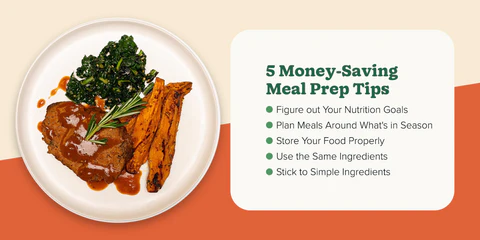
Before diving into detailed meal planning tips, it’s important to identify your goals. Are you trying to:
- Eat healthier?
- Lose or gain weight?
- Save more money?
- Cook faster on weekdays?
Once you know your purpose, planning becomes easier. For example, if your goal is to eat more vegetables, focus on recipes that include them. If saving money is your goal, look for affordable ingredients and simple recipes. Clear goals make meal planning successful and enjoyable.
Step 2: Plan Your Weekly Menu
One of the best meal planning tips is to plan for a week at a time. Start small — maybe 3 to 4 days — and then expand as you get comfortable.
Here’s how to plan:
- Pick your recipes: Choose dishes that use similar ingredients to reduce waste.
- Check your pantry: Note what you already have to avoid buying duplicates.
- Balance your meals: Include a mix of proteins, carbs, and veggies.
- Assign days: Write down what you’ll eat each day (breakfast, lunch, dinner).
Example:
- Monday: Grilled chicken, brown rice, and salad
- Tuesday: Veggie stir-fry with noodles
- Wednesday: Lentil soup with whole-grain bread
By following these meal planning tips, you’ll make sure every meal has purpose and variety.
Step 3: Make a Smart Grocery List
A well-organized grocery list is the backbone of effective meal planning tips. It saves you both time and money by preventing impulse buys.
How to make it:
- Group items by category (produce, dairy, grains, protein, etc.).
- Shop your pantry first before adding items.
- Stick to the list when shopping — avoid extra snacks or fancy sauces unless needed.
- Buy in bulk for non-perishables like rice, pasta, or beans.
With these meal planning tips, you’ll spend less time wandering grocery aisles and more time enjoying the meals you planned.
Step 4: Prep Ingredients in Advance
Meal prep is the secret weapon of meal planners. One of the smartest meal planning tips is to do some prep work ahead of time.
- Wash and chop vegetables right after shopping.
- Cook grains like rice or quinoa in bulk.
- Marinate proteins or cook them halfway to save time later.
- Store meals in portion-sized containers for easy grab-and-go options.
You’ll be amazed how much faster dinner comes together when half the work is already done.
Step 5: Use Leftovers Creatively
Here’s one of the most underrated meal planning tips — turn leftovers into new meals! Leftovers don’t have to be boring. With a little creativity, they can save you money and time.
Examples:
- Turn last night’s roasted chicken into sandwiches or wraps.
- Add leftover rice to make fried rice with veggies.
- Use extra beans to create a quick soup or salad topping.
This approach prevents food waste and stretches your grocery budget.
Step 6: Store and Label Properly
Another key meal planning tip is to store food safely and smartly.
- Use clear containers so you can see what’s inside.
- Label each container with the date and meal name.
- Store cooked meals in the fridge (3–4 days) or freezer (up to 3 months).
- Reheat properly to maintain texture and flavor.
Proper storage means you’ll never have to wonder, “What’s this container?” again — and you’ll reduce food spoilage.
Step 7: Embrace Budget-Friendly Ingredients
Saving money doesn’t mean sacrificing taste. Try these budget-friendly meal planning tips:
- Buy seasonal produce — it’s cheaper and fresher.
- Replace meat with plant-based proteins like lentils or chickpeas a few times a week.
- Choose store brands over expensive labels.
- Shop during sales or use coupons and loyalty cards.
By focusing on smart buying, you can enjoy delicious meals while cutting your grocery costs dramatically.
Step 8: Cook in Batches
Batch cooking is one of the most time-saving meal planning tips. Dedicate a few hours on the weekend to cook large quantities of food that can be eaten throughout the week.
Ideas include:
- Make a big pot of soup or stew.
- Prepare grilled chicken or roasted vegetables for multiple meals.
- Cook grains or pasta in bulk.
Once done, portion them into containers and refrigerate or freeze. You’ll have healthy meals ready whenever you need them — no stress, no rush.
Step 9: Use Technology to Help
Today’s digital tools make meal planning tips easier than ever. You can find apps and websites that help with:
- Recipe suggestions based on ingredients you already have.
- Creating shopping lists automatically.
- Tracking food expiration dates.
- Storing favorite meal plans for reuse.
Apps like Mealime, Paprika, and Plan to Eat are great starting points.
Step 10: Be Flexible and Keep It Fun
Meal planning shouldn’t feel like a chore. One of the best meal planning tips is to stay flexible and enjoy the process.
- Swap meals if your schedule changes.
- Try one new recipe each week.
- Involve family members in planning and cooking.
- Don’t aim for perfection — consistency matters more.
When meal planning becomes part of your routine, it saves you hours and hundreds of dollars each month.
Common Mistakes to Avoid
Even with good meal planning tips, people sometimes slip up. Here are a few mistakes to avoid:
- Planning meals that are too complicated.
- Ignoring your actual schedule (planning big dinners on busy nights).
- Forgetting to use what you already have.
- Overbuying perishables.
- Not adjusting portions for family size.
Avoiding these pitfalls ensures your plan stays realistic and sustainable.
Real-Life Example of a Simple Meal Plan
Let’s apply some meal planning tips to a practical example for one week:
Monday – Breakfast: Oatmeal with fruits | Lunch: Chicken salad | Dinner: Veggie stir-fry
Tuesday – Breakfast: Smoothie | Lunch: Tuna sandwich | Dinner: Lentil soup
Wednesday – Breakfast: Eggs & toast | Lunch: Leftover soup | Dinner: Grilled fish with rice
Thursday – Breakfast: Yogurt parfait | Lunch: Wraps | Dinner: Pasta with veggies
Friday – Breakfast: Pancakes | Lunch: Salad bowl | Dinner: Homemade pizza
Saturday – Breakfast: Eggs | Lunch: Leftovers | Dinner: Family favorite meal
Sunday – Breakfast: Smoothie bowl | Lunch: Sandwiches | Dinner: Big family dinner
This plan shows how using meal planning tips keeps your week organized and stress-free.
Health Benefits of Meal Planning
Beyond saving time and money, these meal planning tips bring many health benefits:
- Better portion control
- Balanced nutrition
- Reduced temptation to eat junk food
- More energy and improved digestion
- Less stress around food choices
When you plan ahead, you make healthier decisions automatically.
Conclusion
Effective meal planning is one of the simplest yet most powerful habits you can develop. With the right meal planning tips, you’ll save hours each week, reduce waste, and spend less money — all while eating nutritious and satisfying meals. Start small, stay consistent, and enjoy the rewards of an organized kitchen and a happier wallet.
Top 10 FAQs About Meal Planning Tips
- How do I start meal planning if I’m a beginner?
Begin by planning just 3 meals a week and build from there using simple meal planning tips. - Does meal planning really save money?
Yes! It helps you buy only what you need, avoid food waste, and reduce takeout spending. - How far ahead should I plan meals?
Most people find a weekly plan works best, though some prefer two-week cycles. - Can meal planning help with weight loss?
Absolutely. By controlling ingredients and portions, meal planning tips support healthy weight management. - Do I need special containers for meal prep?
Not necessarily, but reusable airtight containers keep food fresh and organized. - What if I don’t like to cook every day?
Cook in batches or freeze meals — one of the best meal planning tips for busy people. - How do I prevent boredom with meals?
Rotate recipes every few weeks and try new spices or cuisines to keep things exciting. - Can I meal plan on a tight budget?
Yes, with smart shopping and simple recipes, meal planning tips can easily fit any budget. - What’s the best time to meal plan?
Most people plan on weekends so they can shop and prep before the week starts. - Is meal planning suitable for families?
Definitely. Involve everyone in choosing meals — it saves time and makes healthy eating fun for all.
Want more meal plans and recipes? Explore our Protein foods, Micronutrients, Balanced nutrition and Meal plan. Or Visit My YouTube Channel The Nutrition Guides.