
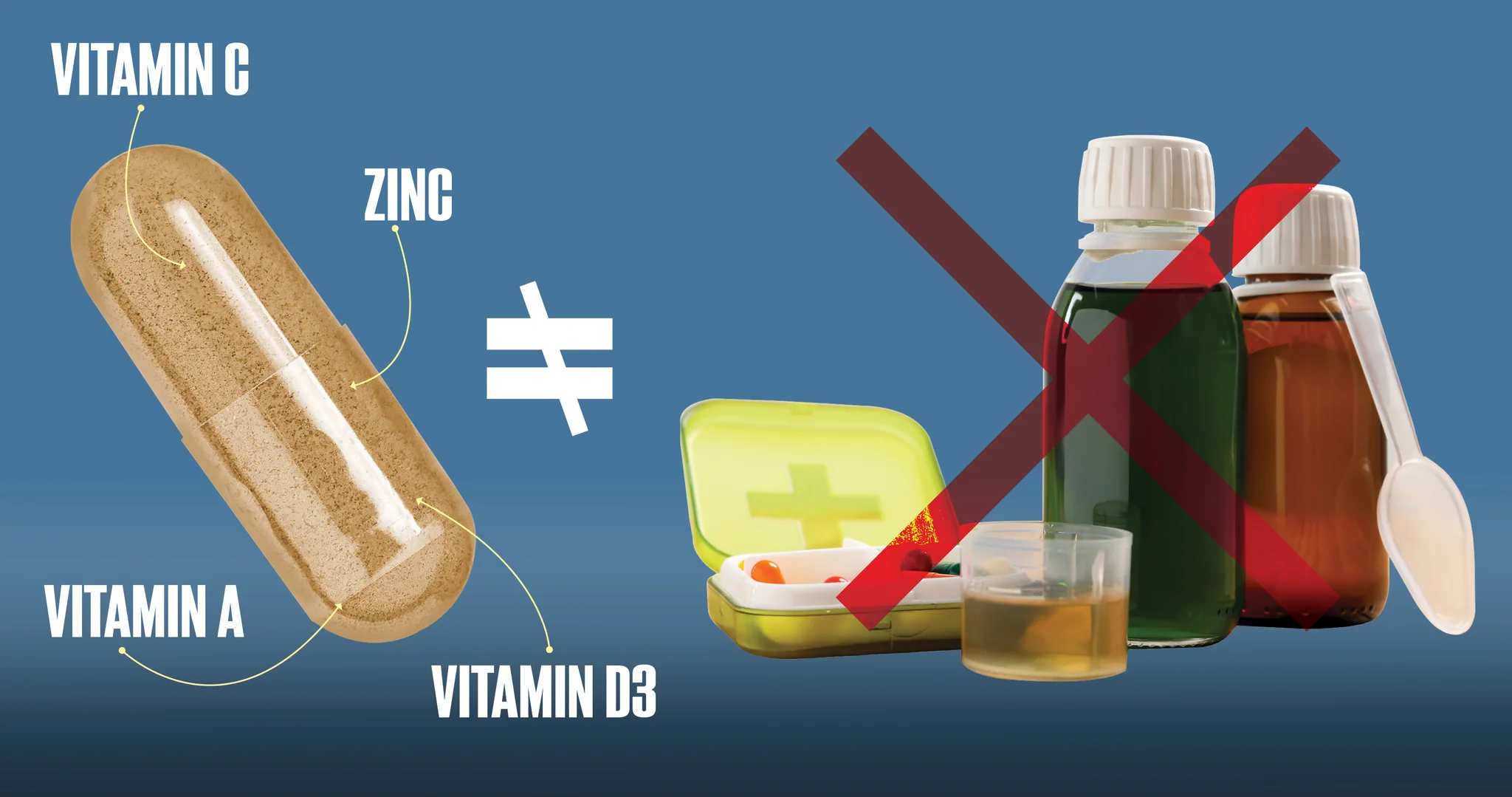
Multivitamins Worth Taking Daily? – An In-Depth Guide
multivitamins worth taking daily
Multivitamins Worth Taking Daily
When you ask the question of multivitamins worth taking daily, you’re tapping into a widespread belief: that popping a one-a-day multivitamin can fill nutritional gaps, boost health, and perhaps even prevent disease. But what does the research say? And for whom might this be useful — or not? In this article we’ll explore the science, the benefits, the risks, and help you decide if multivitamins worth taking daily applies to you.
What are multivitamins?

Multivitamins are supplements that typically contain a blend of vitamins and minerals (and sometimes other nutrients) in one pill or tablet. They aim to provide a “safety net” for nutrient intake, especially where diet may fall short. According to the Office of Dietary Supplements at the U.S. NIH, while some trials suggest benefits, others find none.
Why people take them
Many people take multivitamins daily with the hope that they will:
- Fill in gaps in diet
- Boost energy or immunity
- Prevent chronic conditions like heart disease or cancer
- Slow cognitive decline
But does taking them every day actually achieve those goals?
What the large-scale studies say
When evaluating whether multivitamins worth taking daily, some key research stands out:
- A large cohort study of ~390,000 generally healthy U.S. adults found that daily multivitamin use was not associated with lower risk of death from any cause (and in one analysis even a slight increase in mortality).
- The Johns Hopkins Medicine review found no reliable reduction in heart disease, cancer, cognitive decline or early death from multivitamin/mineral use in healthy people.
- As summarized by Harvard Health Publishing: “Most studies find no benefit from multivitamins in protecting the brain or heart. But there are potential benefits and no major risks from one daily standard multivitamin.”
So: Are multivitamins worth taking daily for the average healthy adult?
Based on current evidence, for an average adult who eats a reasonably balanced diet, the case that multivitamins worth taking daily is weak. They are unlikely to significantly reduce risk of major chronic diseases or extend lifespan.
Where they might make sense
Despite the general findings, there are important exceptions where one might conclude multivitamins worth taking daily applies:
- People with known nutrient deficiencies (e.g., vitamin D, B12, iron) or malabsorption issues.
- People with restricted diets (vegans, very low-calorie diets) or limited food variety.
- Older adults who may absorb fewer nutrients or have increased needs (e.g., B12, vitamin D, calcium).
- Individuals in certain life stages (pregnancy, breastfeeding) or with health conditions causing increased demand or losses of nutrients.
Benefits you might expect
When multivitamins worth taking daily is true for someone, the benefits may include:
- Filling nutrient gaps when diet alone is insufficient
- Providing some “nutritional insurance”
- A modest improvement in certain cognitive outcomes in older adults, per recent studies.
- Support when dietary intake is compromised.
Risks and limitations
Even when considering daily multivitamin use, you should be aware of the following:
- They are not substitutes for a good diet. The best evidence for health benefits still comes from whole foods, balanced diet, exercise and avoiding harmful habits. Hopkins Medicine
- Potential for over-consumption of some nutrients (especially fat-soluble vitamins A, D, E, K) which can accumulate and cause toxicity.
- Interactions with medications or underlying health conditions.
- The supplement industry is less tightly regulated than pharmaceuticals; quality, labels and bioavailability vary.
How to decide if they’re worth it for you
Here are some guiding questions to ask yourself:
- Does your diet cover a wide variety of nutrient-rich foods (fruits, vegetables, whole grains, lean proteins, dairy or plant alternatives)?
- Do you have any diagnosed nutrient deficiencies or conditions that impair absorption (for example gastrointestinal disease, bariatric surgery, vegan diet)?
- Are you in a life stage with increased nutrient needs (pregnancy, older age, rapid growth)?
- Are you taking any medications or have conditions that might deplete nutrients?
- Have you consulted with a healthcare professional (doctor or dietitian) to assess your specific needs?
If you answer no or only partly to many of these, then likely the benefit of taking a daily multivitamin is limited. If you answer yes to several, then the argument for multivitamins worth taking daily becomes stronger.
Choosing a good multivitamin (if you go ahead)
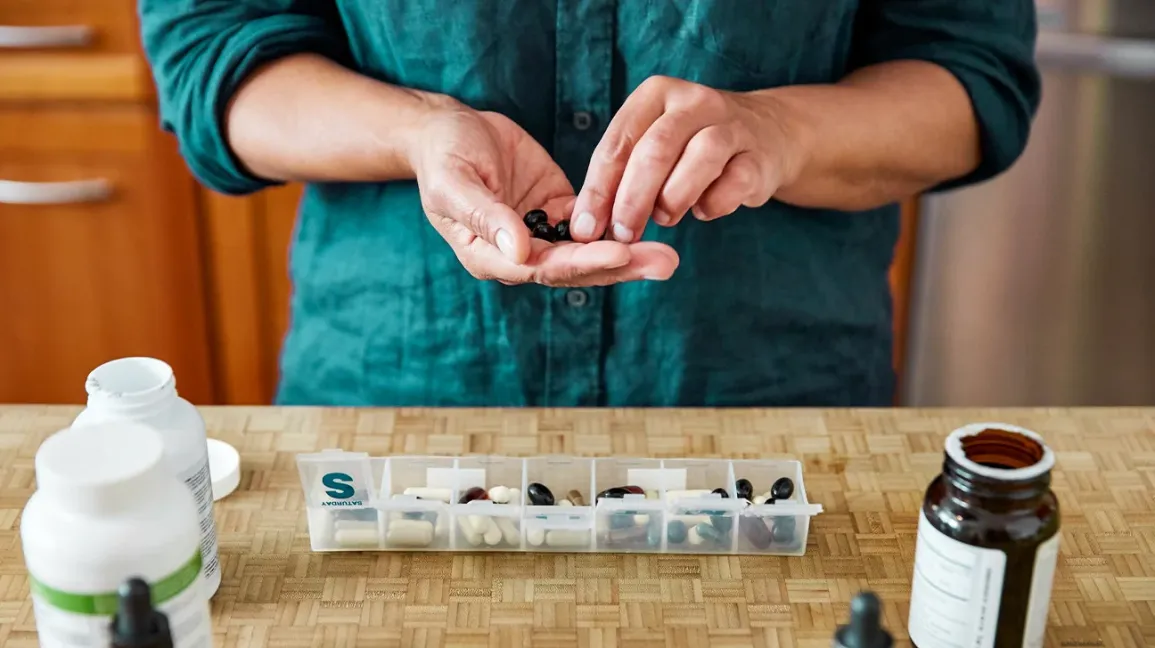
If you and your healthcare provider decide it’s reasonable for you to take a daily multivitamin, here are some tips:
- Choose a product from a reputable brand with third-party testing (look for quality certifications).
- Pick one that provides near the Recommended Dietary Allowance (RDA)/Daily Value levels rather than mega-doses unless specifically prescribed.
- Check the label for nutrients you may need (e.g., B12, iron, vitamin D) and nutrients you might not need (e.g., iron in adult men can lead to excess).
- Take it with food (some vitamins are better absorbed with fat or a meal).
- Keep your healthcare provider aware of all supplements you take.
- Re-evaluate periodically if dietary habits or health status change.
Common myths around multivitamins
- Myth: “Skipping veggies is okay because I take a multivitamin.” Reality: Supplements cannot replicate the complex benefits of whole foods (fiber, phytonutrients, antioxidants, etc.).
- Myth: “More vitamins = better health.” Reality: Excess intake of some vitamins may do more harm than good.
- Myth: “Taking a multivitamin will prevent cancer or heart disease.” Reality: Large studies show little or no effect for these outcomes in healthy adults.
Practical advice: What I’d suggest
- Prioritise diet first: aim for a varied, balanced eating pattern.
- If you suspect you’re not meeting nutrient needs (e.g., poor appetite, restricted diet, older age, health condition), speak to a healthcare provider about testing or supplementing.
- If you take a daily multivitamin, treat it as a “safety net” rather than a miracle pill. It won’t replace lifestyle.
- Focus on diet, exercise, sleep and other foundational health behaviours—these remain far more important for long-term health than simply taking a pill.
Final verdict on multivitamins worth taking daily
So, are multivitamins worth taking daily? The answer is: sometimes, but not universally. For many healthy adults eating reasonably well, a multivitamin may not provide major benefits in terms of disease prevention or longevity. But for specific groups — with defined nutrient needs, dietary limitations or health conditions — a daily multivitamin can be a useful adjunct. The key is to personalise the decision rather than assume “everyone should take one.”
Conclusion
In the quest to answer whether multivitamins worth taking daily, the strongest message from the evidence is that they are not a shortcut to health. Good nutrition comes first. If you’re a generally healthy adult with a balanced diet, taking a daily multivitamin is unlikely to yield dramatic benefits. But if your diet is limited, you have a health condition, or you’re in a life-stage with elevated needs, then yes — a daily multivitamin may well be worth it for you. Talk to a qualified professional, choose wisely, and maintain your focus on whole-food nutrition and healthy lifestyle habits.
Top 10 FAQs
- If I eat “pretty good”, should I still take a multivitamin?
If your diet is varied and you’re healthy, the benefit is likely minimal. - Will a multivitamin help me live longer?
Research shows no clear benefit in extending lifespan for healthy adults. - Can multivitamins prevent heart disease or cancer?
Large studies generally find no strong preventive effect in healthy individuals. - Are there any groups who definitely benefit from daily multivitamins?
Yes: people with dietary restrictions, nutrient deficiencies, older adults, pregnant or breastfeeding women. - Can taking a multivitamin be harmful?
It’s usually safe at recommended doses, but excess intake or interactions with medications can pose risks. - What should I look for when choosing a multivitamin?
Look for third-party testing, doses close to RDAs, nutrient profile matching your needs, reputable brand. - Should I take a multivitamin instead of healthy food?
No. Supplements add to—but don’t replace—a healthy diet. - How long should I take a multivitamin to see benefits?
Benefits (if any) are modest and take time; if you change diet or health status, you may re-evaluate after several months. - Can I get everything I need from diet alone?
For many people yes, if diet is varied and sufficient. But some nutrients (vitamin D, B12, iron for women, etc.) are harder to cover without supplementation or fortified foods. - When should I stop taking my multivitamin or re-assess?
If your diet improves substantially, if you change health status, or if testing shows nutrient levels adequate — then you may re-assess with your provider.
Want more meal plans and recipes? Explore our Protein foods, Micronutrients, Balanced nutrition and Meal plan. Or Visit My YouTube Channel The Nutrition Guides.