Smart Nutrition Facts Guide: How to Read Labels Right
Smart Nutrition Facts Guide
Introduction
Reading a food label seems simple, but truly understanding it takes a little skill. Today, packaged foods come with a long list of numbers, ingredients, and claims that can confuse the average person. This guide will help you learn how to read nutrition information clearly and confidently. By following this Smart Nutrition Facts Guide, you’ll be able to choose healthier foods, control your portions, and avoid misleading labeling tricks commonly used by manufacturers. Whether you want to lose weight, manage sugar intake, or simply eat smarter, mastering nutrition labels is one of the most important steps toward better health.
Why Understanding Nutrition Facts Matters
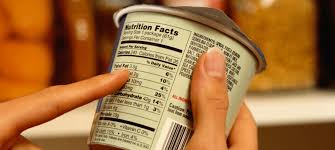
Knowing how to interpret a label empowers you to make informed decisions. When you follow the Smart Nutrition Facts Guide, you can compare foods, avoid high-sugar or high-sodium items, and understand the true health value of a product. Labels are designed to protect consumers, but without knowledge, they can be misread or misunderstood.
Understanding the Serving Size
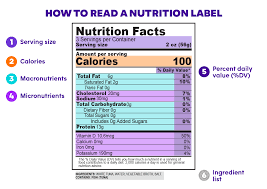
Every nutrition label begins with the serving size. This is the foundation of the Smart Nutrition Facts Guide, because all nutritional values are based on this number. If one packet of chips lists a serving size of “10 chips,” but you eat 30 chips, you must triple the calories, sugar, and fat. Manufacturers sometimes make serving sizes smaller to make foods appear healthier, so always check this section first.
Calories: What They Really Mean
Calories represent the amount of energy you get from food. In the Smart Nutrition Facts Guide, calorie awareness plays a major role, especially if you’re managing weight. A food may be labeled as “low calorie,” but the serving size could be tiny. Understanding calories per serving helps you avoid accidental overeating.
Fats and Their Types
Fats aren’t all bad. The Smart Nutrition Facts Guide teaches that the type of fat matters more than the total amount.
- Healthy fats include monounsaturated and polyunsaturated fats.
- Unhealthy fats include saturated and trans fats.
Trans fats, even in small amounts, increase the risk of heart disease. Some labels may say “0g trans fat” even if the product contains up to 0.49g per serving. Always read the ingredient list for “partially hydrogenated oils.”
Sugar Breakdown
Sugar is a major contributor to weight gain and chronic diseases. The Smart Nutrition Facts Guide helps you understand the difference between natural sugar and added sugar. Natural sugar (in fruit and milk) is less harmful, while added sugar increases calories without offering nutrition. Look for words like sucrose, dextrose, corn syrup, and molasses.
Carbohydrates and Fiber
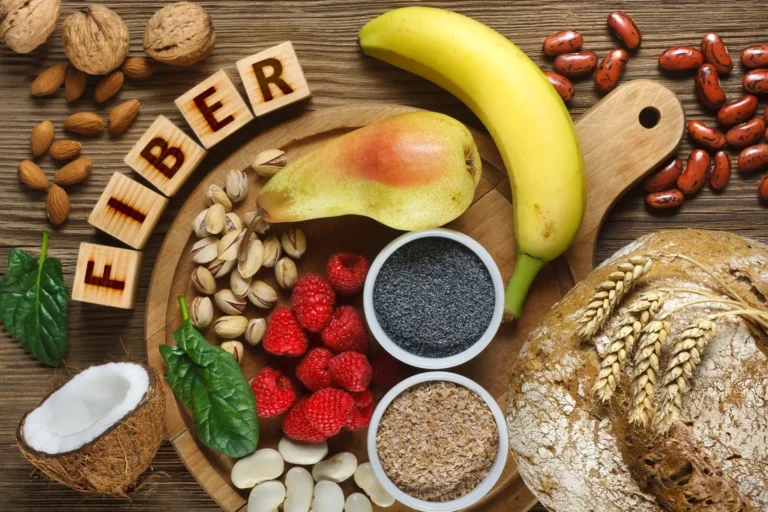
Carbohydrates provide energy, but too much can spike blood sugar. According to the Smart Nutrition Facts Guide, high-fiber foods are better choices because they digest slowly and keep you full. Choose whole grains, legumes, fruits, and vegetables over refined carbs. Fiber should ideally be 3–5 grams or more per serving.
Protein and Its Importance
Protein helps build muscle, repair tissues, and support the immune system. When using the Smart Nutrition Facts Guide, always check the protein content, especially if you’re active. High-protein foods help control hunger and stabilize blood sugar.
Sodium Levels and Hidden Salt
Salt is essential in small amounts, but packaged foods often contain excessive sodium. The Smart Nutrition Facts Guide recommends choosing foods with less than 400mg sodium per serving for daily meals. Foods labeled “low sodium” should contain 140mg or less per serving.
Ingredient List: The Hidden Truth
The ingredient list reveals more than the nutrition chart. In the Smart Nutrition Facts Guide, learning to read ingredients is essential. Ingredients are listed from highest quantity to lowest. If sugar, salt, or artificial additives appear in the top three ingredients, the product may not be healthy.
Marketing Claims vs. Reality
Food companies use marketing tricks like “sugar-free,” “light,” or “immune-boosting.” The Smart Nutrition Facts Guide helps you avoid being fooled by these claims. Always rely on the actual nutrition numbers, not the fancy labels.
Comparing Similar Products
Using the Smart Nutrition Facts Guide, you can compare two similar items—like two brands of yogurt—to choose the healthier one. Compare calories, added sugars, sodium, and ingredients. The healthier option is often not the one advertised the most.
Practical Tips for Grocery Shopping
Here’s how to apply the Smart Nutrition Facts Guide in real life:
- Shop with a plan
- Read labels before adding items to your cart
- Choose whole foods over packaged snacks
- Avoid products with long ingredient lists
- Compare brands every time
By using this system consistently, you’ll quickly improve your food choices.
Common Mistakes People Make
Even health-conscious individuals make these mistakes:
- Ignoring serving sizes
- Falling for marketing words
- Overestimating “healthy” snacks
- Forgetting added sugars
The Smart Nutrition Facts Guide helps you avoid these pitfalls and make clearer choices.
Conclusion
Reading nutrition labels doesn’t have to be confusing. With the Smart Nutrition Facts Guide, you can break down every part of the label—serving sizes, calories, fats, sugar, sodium, and ingredients. When you understand labels, you gain control over your health, avoid hidden dangers, and pick foods that support long-term wellness. Whether you’re buying snacks or planning meals, this guide will help you make smarter decisions every day.
Top 10 Best Search FAQs
1. Why is it important to read nutrition labels?
It helps you make informed decisions and choose healthier foods.
2. What is the first thing to check on a food label?
The serving size.
3. Are all fats bad?
No, healthy fats are beneficial—avoid trans fats and limit saturated fats.
4. How can I identify added sugars?
Look for ingredients like glucose, corn syrup, sucrose, or fructose.
5. What is considered low sodium?
140mg or less per serving.
6. Why are serving sizes sometimes misleading?
Manufacturers make them small to make products appear healthier.
7. What should I look for in the ingredient list?
Shorter lists with recognizable ingredients.
8. Are “low-fat” products healthier?
Not always—many contain added sugars.
9. How much fiber should a healthy food have?
At least 3–5 grams per serving.
10. Why do calories matter?
They show how much energy the food provides and help with weight management.
Want more meal plans and recipes? Explore our Protein foods, Micronutrients, Balanced nutrition and Meal plan. Or Visit My YouTube Channel The Nutrition Guides.