Why hydration is key for good health
Introduction
Water is often called the elixir of life — and for good reason.Why hydration is key for good health becomes clear when you realize how much of our body depends on water. From supporting digestion to regulating temperature and keeping your skin glowing, hydration is essential for nearly every function of the body. Without enough fluids, you may feel fatigued, sluggish, or even face long-term health issues. Staying properly hydrated is one of the simplest yet most powerful steps you can take for overall wellness.

Think about it: you can survive weeks without food, but only a few days without water. That’s how vital hydration is. When your body lacks water, the signs show up quickly — headaches, fatigue, poor concentration, dry skin, and digestive discomfort. Over time, chronic dehydration can lead to more severe health issues such as kidney stones, urinary tract infections, or impaired physical performance.
A healthy gut is the foundation of overall wellness. If you often feel bloated, sluggish, or experience digestive issues, your gut may need extra care. One way to improve gut health is by following a gluten-free meal plan. Eliminating gluten can reduce inflammation, improve digestion, and support beneficial gut bacteria. For more insights on building a healthier lifestyle, you can also explore The Healthy Guides
In this article, we’ll explore why hydration is key for good health, backed by science and practical tips. We’ll cover the benefits of proper hydration, the risks of dehydration, how much water you really need, and creative ways to make drinking water a consistent habit. By the end, you’ll understand why water is not just a beverage — it’s your body’s most essential fuel.
Why Hydration is Key for Good Health and Body Function
Your body is made up of approximately 60% water, with higher percentages in the brain and muscles. Water is involved in nearly every biological function:
- Regulating body temperature through sweating and respiration
- Carrying nutrients and oxygen to cells
- Removing waste products through urine and sweat
- Lubricating joints and cushioning organs
- Supporting metabolism by aiding in chemical reactions
Dehydration disrupts these processes, even at mild levels. Studies show that losing as little as 1–2% of body water can impair physical performance and cognitive function. Athletes, for instance, often notice reduced endurance and slower reaction times when they fail to hydrate properly.
For brain health, hydration is equally critical. Research indicates that dehydration affects memory, mood, and alertness. This is why you may feel irritable or mentally foggy when you’ve gone too long without water.
10 Key Benefits of Staying Hydrated
1. Boosts Energy Levels
Water helps transport nutrients and oxygen to cells, preventing fatigue. Even slight dehydration can make you feel sluggish.
2. Improves Digestion
Hydration keeps food moving smoothly through the digestive tract and prevents constipation. It also supports gut bacteria balance.
3. Enhances Brain Function
Hydration improves concentration, memory, and alertness. Students and professionals alike benefit from drinking water during study or work.
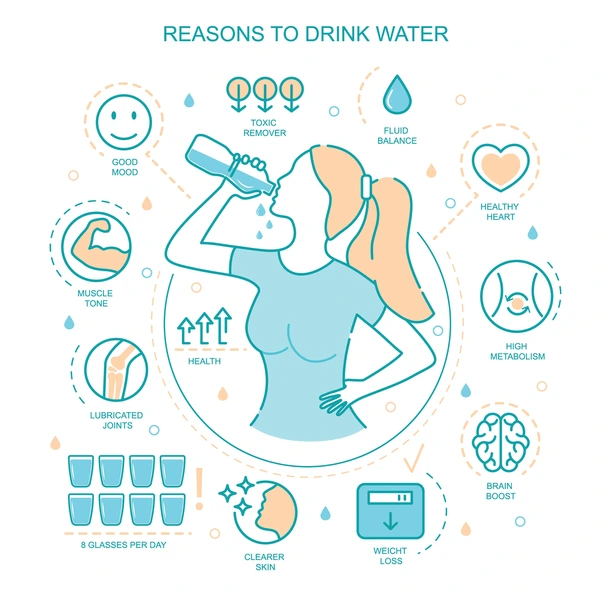
4. Promotes Healthy Skin
Water hydrates skin cells, reducing dryness and improving elasticity. Chronic dehydration may accelerate signs of aging.
5. Regulates Body Temperature
Sweating is your body’s cooling mechanism, but it only works effectively if you’re hydrated.
6. Supports Joint Health
Water keeps cartilage soft and joints lubricated, reducing pain and stiffness.
7. Detoxifies the Body
Hydration helps flush toxins through urine and sweat, reducing the risk of kidney stones and urinary tract infections.
8. Aids in Weight Management
Water increases satiety and may boost metabolism slightly. Drinking water before meals can help reduce overeating.
9. Supports Cardiovascular Health
Adequate hydration ensures proper blood volume, which helps the heart pump efficiently.
10. Improves Exercise Performance
Athletes who hydrate properly experience better endurance, reduced cramps, and faster recovery.
Key Signs You’re Not Hydrated Enough for Good Health
When your body loses more fluids than it takes in, dehydration occurs. Symptoms range from mild to severe:
- Dry mouth and lips
- Headaches
- Fatigue
- Dark yellow urine
- Muscle cramps
- Dizziness
Chronic dehydration is linked to kidney problems, urinary tract infections, and even cognitive decline in older adults. Children and the elderly are particularly vulnerable because they may not always recognize or respond to thirst cues.
How Much Water Do You Really Need?
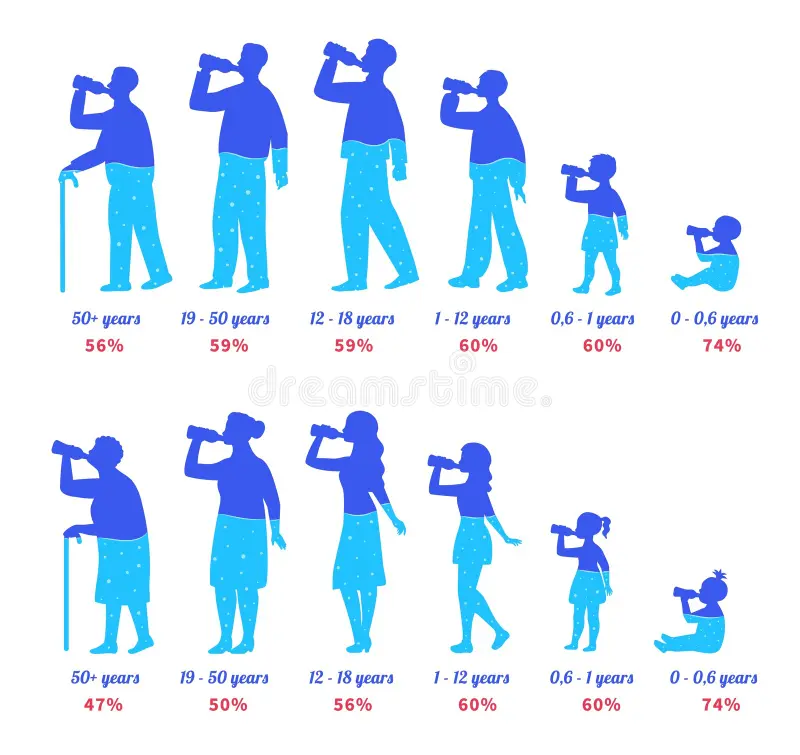
The “8 glasses a day” rule is a good starting point, but hydration needs vary based on:
- Age and gender
- Activity level (athletes need more)
- Climate (hot and humid areas require higher intake)
- Health conditions (such as pregnancy, breastfeeding, or illness)
According to the U.S. National Academies of Sciences, the recommended daily intake is:
- Men: ~3.7 liters (15 cups)
- Women: ~2.7 liters (11 cups)
This includes both drinks and water-rich foods. Fruits like watermelon, oranges, and cucumbers contribute significantly to hydration.
Hydration and Nutrient Absorption
Water is essential for breaking down food and helping the body absorb nutrients effectively. Without adequate hydration, digestion slows down, and your body may struggle to take in the vitamins and minerals it needs. Hydration also plays a direct role in how your body processes macronutrients—proteins, fats, and carbohydrates—turning them into usable energy. To dive deeper into how these nutrients work together to support your health, check out this guide on understanding macronutrient
Practical Hydration Tips for Better Health Every Day
- Start your day with water – Keep a glass by your bed.
- Carry a reusable bottle – Easy reminder throughout the day.
- Flavor naturally – Add lemon, cucumber, or mint for taste.
- Use hydration apps or reminders – Tech can help you stay consistent.
- Eat water-rich foods – Soups, fruits, and vegetables.
- Hydrate before exercise – Don’t wait until you feel thirsty.
- Sip regularly – Avoid chugging large amounts at once.
Healthy Alternatives to Plain Water
- Herbal teas (caffeine-free)
- Coconut water (rich in electrolytes)
- Infused water with fruits and herbs
- Light soups or broths
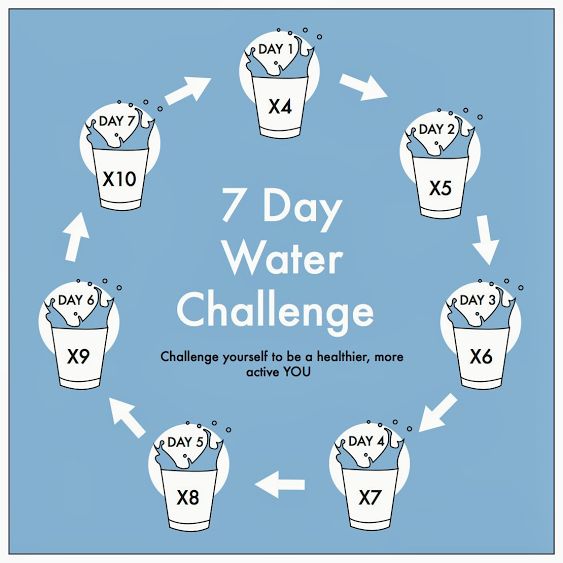
7-Day Hydration Tracker (Visual Aid)
A simple tracker can keep you accountable. Divide your day into morning, afternoon, and evening, and check off glasses consumed.
Conclusion
Hydration is not just about quenching thirst — it’s about enabling your body to perform at its best. Every function, from brain performance to digestion, skin glow to joint mobility, depends on water. By drinking enough fluids and eating water-rich foods, you support long-term health and reduce the risk of chronic conditions.
Small, consistent steps — carrying a water bottle, eating hydrating foods, tracking your intake — can make a big difference. So next time you feel tired, unfocused, or hungry, ask yourself: “Have I had enough water today?” The answer might surprise you.
10 FAQs About Hydration (400 words)
1. How do I know if I’m dehydrated?
Check urine color — pale yellow means hydrated, dark yellow means drink more.
2. Is it possible to drink too much water?
Yes. Overhydration (water intoxication) is rare but dangerous. Balance is key.
3. Do coffee and tea count as hydration?
Yes, but excessive caffeine can have a mild diuretic effect.
4. Can hydration help with weight loss?
Yes, by reducing appetite and improving metabolism.
5. Are sports drinks necessary?
Only for prolonged intense exercise; otherwise, water is enough.
6. What’s the best time to drink water?
Spread throughout the day, especially before meals and workouts.
7. Can eating fruits keep me hydrated?
Yes. Watermelon, oranges, cucumbers, and lettuce are excellent.
8. Does hydration affect skin health?
Absolutely. Dehydration causes dryness and dullness.
9. How much water do children need?
Depends on age and activity, but generally 5–8 cups daily.
10. Can hydration improve mental health?
Yes. Dehydration increases stress and affects mood regulation.
Want more meal plans and recipes? Explore our Protein foods, Micronutrients, Balanced nutrition and Meal plan. Or Visit My YouTube Channel The Nutrition Guides.